India Pharma Outlook Team | Wednesday, 04 November 2026
Drug discovery increasingly depends on how pharmaceutical companies connect scientific expertise with a deeper understanding of disease.
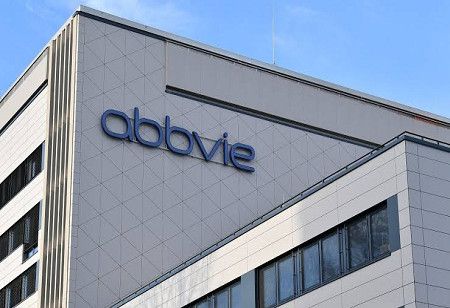
AbbVie is strengthening this connection through its expanded Oxford research and development facility, as part of an investment exceeding £120 million across its UK operations.
The new 12,000-square-foot AbbVie Oxford site expands research capabilities across immunology, neuroscience and oncology.
Rather than simply adding research infrastructure, the expansion builds on existing biotechnology expertise and academic partnerships. AbbVie aims to identify new disease targets and combination therapies, particularly in areas where patients continue to face significant unmet medical needs.
AbbVie’s Oxford expansion builds on its 2022 acquisition of DJS Antibodies, an Oxford-based biotechnology company. The acquisition brought additional scientific capabilities into AbbVie’s research network and established a foundation for its expanded Oxford operations.
The new facility strengthens this existing research base and supports work across three important therapeutic areas.
The investment also supports the search for new disease targets and combination therapies. These priorities matter because many complex diseases require researchers to explore multiple biological pathways rather than rely on a single treatment approach.
Also Read: Why Peptides and Complex Generics Will Define India Pharma's Future
AbbVie’s Oxford expansion places greater emphasis on research that can help scientists understand disease biology and identify promising treatment opportunities. Its focus on new disease targets and combination therapies reflects the importance of understanding how diseases develop and respond to treatment.
The company also aims to address areas with significant unmet medical need. This approach connects scientific research with patient outcomes, particularly when existing treatments cannot adequately address disease progression or patient response.
The combination of specialized biotechnology expertise and broader research capabilities gives AbbVie a stronger scientific base for exploring potential therapies. However, identifying promising targets represents an early step in drug development, not a guarantee of clinical success.
AbbVie’s research ambitions extend beyond its own facilities. The company works with more than 100 universities and research organizations across the UK each year and continues to expand its academic collaborations.
Its partnership with the University of Oxford offers a particularly relevant example. Researchers are studying how patients with certain inflammatory diseases respond to treatments throughout their illness.
This work can help researchers understand how treatment responses change over time and inform future drug development. It also connects academic research with pharmaceutical discovery, allowing scientific observations about patients to contribute to questions surrounding future therapies.
AbbVie’s Oxford expansion strengthens an existing research ecosystem rather than creating one from scratch. Its combination of biotechnology expertise, specialized research capabilities and academic partnerships gives the company additional resources to explore future treatment opportunities. The investment ultimately supports a longer-term ambition: turning deeper scientific understanding into potential new medicines.