
India Pharma Outlook Team | Tuesday, 14 July 2026
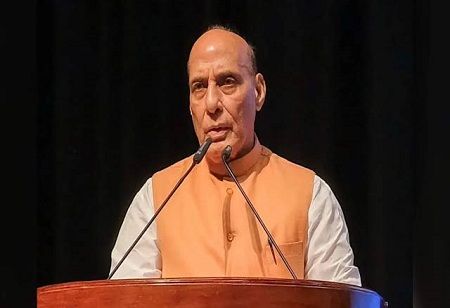
India is positioning medical research as a central pillar in its long-term strategy to achieve developed nation status by 2047. This aligns healthcare innovation with economic and social progress.
To improve the country's public health and its global reputation, sustained investments in scientific research and healthcare infrastructure are crucial.
This vision is part of a strategy to create a resilient, innovation-focused healthcare ecosystem. That is capable of meeting the demands of today and tomorrow.
India is working towards a healthy population by enhancing research and providing good healthcare facility. That will directly impact national productivity and economic growth.
The government has undertaken a comprehensive approach to expand medical research capabilities. The new initiative by Defence Minister Rajnath Singh highlights to strengthen India’s scientific and healthcare ecosystem.
Over the past decade, the number of medical colleges has risen sharply. That is reflected in a strong commitment to building a robust healthcare workforce capable of supporting research and innovation.
There is a clear policy push to encourage collaboration between public institutions, private players, and strategic sectors. Such as the defense research organizations, which are increasingly contributing to healthcare advancements.
This initiative, announced by Rajnath Singh, further focuses on strengthening regulatory frameworks to ensure higher standards. This enforces transparency and quality in medical research, while simultaneously fostering innovation through increased funding support and institutional reforms.
Key areas of development include strengthening clinical research systems, promoting digital health technologies, and leveraging data-driven approaches to improve diagnosis and treatment outcomes.
The government is working towards integrating cutting-edge technologies such as artificial intelligence and biotechnology into healthcare research. This further ensures India remains competitive in the global scientific landscape.
Also Read: Pharmaceutical 4.0: Redefines Compliance, Automation & AI
By 2047, India aims to establish itself as a global leader in medical research and healthcare innovation. Along with advanced research hubs and world-class healthcare facilities spread across major cities and emerging regions.
This transformation is expected to improve access to high-quality medical treatments, particularly in underserved and rural areas. A strong emphasis is being placed on preventive care, early diagnosis, and personalized treatment approaches, which will collectively enhance patient outcomes and reduce the overall disease burden.
The long-term vision also includes strengthening India’s position in the global pharmaceutical and biotechnology sectors. Which enable the country to contribute significantly to international healthcare solutions.
Major urban centres such as New Delhi are expected to evolve into leading research and healthcare innovation hubs. This is supported by modern infrastructure and a highly skilled workforce.
India continues to expand its pharmaceutical services and public healthcare outreach through various government initiatives. That aims at improving affordability, accessibility, and quality of care for its population.
Programs focused on low-cost medicines and expanding health insurance coverage are playing a crucial role in reducing the financial burden on patients. At the same time, efforts are being made to strengthen supply chains and improve logistics. Thereby, ensuring the availability of essential medicines across both urban and rural regions.
The government is also prioritising patient safety, compliance, and quality standards in healthcare delivery. To ensure that medical services meet global benchmarks while remaining accessible to the general population.
India’s sustained focus on medical research reflects a forward-looking vision that integrates healthcare advancement with national development goals. This initiative also enhances trust in public healthcare systems while encouraging greater participation and utilization of healthcare services.
Key Takeaways

.jpg)

