India Pharma Outlook Team | Tuesday, 25 August 2026
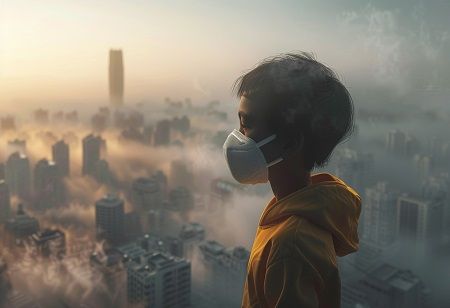
Air pollution is an emerging contributor to the global cancer burden. The latest research places fine particulate matter at the center of the concern.
A global study published in Nature Health assessed long-term exposure to PM2.5, ozone, and nitrogen dioxide across 952 locations between 2000 and 2020.
The analysis covered 109 million cancer cases and found that PM2.5 accounted for approximately 8.82 million attributable cases. This makes it the dominant contributor among the pollutants studied.
The findings add weight to growing evidence that environmental exposure requires greater attention within cancer prevention, public health planning, and healthcare strategies worldwide.
The study examined long-term exposure to PM2.5, ozone, and nitrogen dioxide and further assessed their contribution to cancer incidence worldwide. Researchers identified 109 million cancer cases across 952 locations during 2000–2020.
PM2.5 emerged as the largest contributor, accounting for approximately 8.82 million attributable cancer cases during the study period. The researchers also found that every 10 µg/m³ increase in PM2.5 concentration corresponded with a 16 per cent increase in cancer risk.
The findings extend the health discussion around air pollution beyond cardiovascular and respiratory disease. The World Health Organization already recognizes ambient air pollution as a major environmental health risk and notes that exposure contributes to cancers, particularly lung cancer.
Also Read: Driving Vaccine Adoption Beyond Pediatric Immunization in India
The study identified particularly high preventable fractions for cancers affecting the respiratory, reproductive and endocrine systems. Around 17.9 per cent of tracheal, bronchial and lung cancer cases could potentially have been prevented if PM2.5 exposure were eliminated or addressed, according to the researchers.
The evidence also aligns with broader cancer research. A 2026 review from the Union for International Cancer Control found that long-term exposure to PM2.5 raises overall cancer incidence risk by 11 per cent and cancer mortality risk by 12 per cent. The review also linked exposure with higher risks across several cancer types.
Growing evidence linking air pollution to cancer risk creates a broader challenge for healthcare systems. Cancer prevention strategies have traditionally focused heavily on tobacco, alcohol, obesity, infections and other established risk factors. Environmental exposure now adds another measurable dimension to prevention planning.
For countries with high pollution exposure, the implications extend across oncology, public health, screening and prevention. A 2026 analysis presented at the ASCO Annual Meeting found that air pollution accounted for a substantial share of lung cancer burden in South Asia, with PM2.5 contributing a 15.9 per cent population-attributable fraction.
India also faces a particularly relevant exposure environment. Recent medical reporting has highlighted increasing attention to environmental factors such as PM2.5, vehicle emissions, industrial pollution and construction dust in lung cancer among non-smokers.
The latest evidence suggests that air pollution should play a greater role in cancer prevention and health-risk discussions, as its impact extends beyond respiratory and cardiovascular diseases. The scale of the global findings also highlights the need to move beyond managing individual exposure and focus on population-level strategies that reduce long-term exposure and associated cancer risks.
Reducing PM2.5 exposure requires coordinated action across transport, energy, industry, urban planning and waste management. WHO identifies these sectors as important areas for reducing outdoor air pollution and its associated health consequences.
For healthcare stakeholders, the emerging priority lies in connecting environmental exposure data, cancer surveillance, and prevention strategies. As evidence continues to quantify the cancer burden associated with PM2.5, controlling air pollution could become an increasingly important component of long-term cancer prevention and public health policy.

.jpg)