
India Pharma Outlook Team | Monday, 05 October 2026
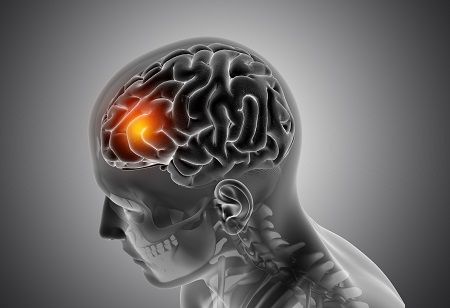
A headache is one of the most common health complaints and is often associated with stress, dehydration, lack of sleep, or migraine.
However, when a headache is severe, unusual or accompanied by symptoms such as fever, neck stiffness, confusion or seizures, it can signal a more serious neurological condition such as meningitis.
The World Health Organization (WHO) says around 1 in 6 people who develop bacterial meningitis die, while 1 in 5 experience severe complications, highlighting the importance of recognizing warning signs and seeking timely medical attention.
Not every headache requires urgent investigation, but certain combinations of symptoms should not be ignored. Meningitis is an inflammation of the membranes surrounding the brain and spinal cord.
Fever, headache, neck stiffness and changes in mental status are among the common symptoms. Nausea, vomiting, sensitivity to light and seizures may also occur. Bacterial meningitis can progress rapidly, making early medical assessment important.
Dr Aakaar Kapoor, Founder & Partner and Consultant Radiologist, City Imaging & Clinical Labs, said, “Brain imaging is not a routine requirement for every patient presenting with headache or suspected meningitis. The decision to perform a CT or MRI depends on the clinical examination and the specific concern being investigated. Imaging can help identify structural abnormalities or complications and, in selected cases, may need to be performed before a lumbar puncture. The key is to use imaging as part of a broader clinical assessment rather than treating a scan as the first step for every patient.”
Dr. Abhishek Dixit, Associate Consultant - Neurology, Paras Health Gurugram “Headache accompanied by fever should not always be assumed to be a routine viral infection, particularly when the symptoms are severe, sudden or progressively worsening. Meningitis can present with intense headache, fever, neck stiffness, vomiting, sensitivity to light, confusion or unusual drowsiness. Symptoms can vary depending on the cause and the individual, and some patients may not experience all of these signs. In certain cases, the condition can worsen rapidly, with seizures or reduced consciousness developing. If a person develops a severe headache with fever along with confusion, neck stiffness, repeated vomiting, seizures or difficulty staying awake, they should seek urgent medical evaluation. Early recognition and appropriate treatment are important because some forms of meningitis, particularly bacterial meningitis, can become life-threatening and require immediate medical care.”
Also Read: World Heart Day 2026: 8 Ways to Protect Your Heart Every Day
A headache warrants medical assessment when it is new, unusually severe or accompanied by neurological changes such as confusion, unusual drowsiness, seizures, weakness, or difficulty speaking.
Fever with neck stiffness, persistent vomiting or a sudden and extremely severe headache should also not be ignored. In infants and young children, meningitis may present differently, with signs such as irritability, poor feeding, reduced activity, or difficulty waking.
CT scan or MRI is not required for every headache or suspected case of meningitis. Doctors first assess the patient's symptoms and neurological condition before deciding which investigations are appropriate.
A lumbar puncture, which involves examining cerebrospinal fluid, is an important part of meningitis diagnosis. A study recommends that brain imaging not be routinely performed before lumbar puncture.
Imaging may be considered first in selected patients with findings associated with a higher risk of complications, including significantly reduced consciousness, focal neurological abnormalities, cranial nerve abnormalities, papilloedema or certain new-onset seizures.
When imaging is clinically indicated, the choice between CT and MRI depends on the patient's condition and what doctors need to investigate. CT can provide a rapid assessment in emergency situations and help identify problems such as bleeding, significant swelling or a mass. MRI provides more detailed images of the brain and may help investigate specific neurological abnormalities.
Anyone developing concerning neurological symptoms with fever should seek medical attention promptly. When bacterial meningitis is suspected, treatment should not be unnecessarily delayed while waiting for investigations.
Early assessment allows doctors to determine the appropriate diagnostic and treatment pathway. Vaccination can also help protect against several important causes of bacterial meningitis, including meningococcal, pneumococcal and Haemophilus influenzae disease.
Keeping recommended vaccinations up to date, particularly for children and other groups advised by healthcare professionals, remains an important preventive measure.
.jpg)


