
India Pharma Outlook Team | Thursday, 02 July 2026
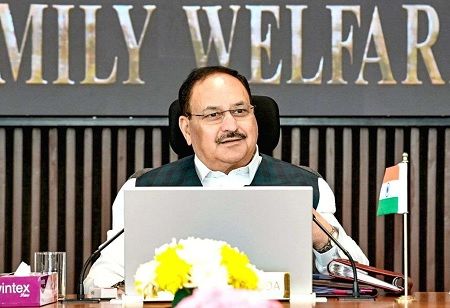
Delhi's dengue fight received a major boost after Union Health Minister Jagat Prakash Nadda chaired a high-level meeting to review the city's preparedness against dengue ahead of the peak transmission season.
The review came as Delhi's dengue fight entered a crucial phase with authorities focusing on surveillance, hospital readiness, vector control, and public awareness. While the current dengue situation remains under control, the Centre has asked all agencies to stay fully prepared to prevent any spike in cases during the coming months.
The meeting reviewed the evolving epidemiological situation, preparedness of hospitals, municipal bodies, and the Delhi government. Officials also assessed disease surveillance systems, clinical management protocols, and ongoing vector control measures to ensure a coordinated response during the monsoon season.
During the meeting, officials presented a comprehensive action plan for dengue prevention and control in Delhi. The plan focuses on strengthening disease surveillance, vector management, case detection, clinical management, and public awareness to reduce the risk of outbreaks.
The implementation of the National Strategy for Prevention and Control of Dengue, also known as the 'Octalogue', was also reviewed. The strategy is built around eight key pillars:
Officials informed the minister that the Government of India has already issued advisories, conducted regular high-level reviews, organized training on case management, provided free diagnostic facilities, launched community awareness campaigns, strengthened inter-ministerial coordination, and extended financial support under the National Health Mission.
Also Read: Building Sustainable Pharma Growth through Ethical Marketing Practices
Addressing the meeting, Jagat Prakash Nadda said the current incidence of dengue remains low, with a mortality rate of only 0.11%. However, he cautioned that authorities should not lower their guard as the coming months are considered high-risk for mosquito-borne diseases.
The Union Health Minister directed all concerned agencies to proactively prepare for any possible increase in cases by strengthening preparedness at every level.
He instructed officials to:
The minister also stressed the need for stronger coordination among municipal bodies, railways, cantonment boards, public health engineering departments, and health authorities to improve sanitation and carry out effective vector control drives.
Highlighting the message of "Jan Chetna through Jan Bhagidari," he urged authorities to involve Ward Commissioners, elected representatives, Resident Welfare Associations (RWAs), schools, labor camps, market associations, self-help groups, youth clubs, and community leaders in spreading awareness.
With July being observed as Anti-Dengue Month, the Centre has asked states to scale up Information, Education and Communication (IEC) campaigns. The awareness drive will promote preventive measures such as eliminating mosquito breeding sites, using mosquito nets, and wearing full-sleeved clothing.
The meeting concluded with a detailed review of immediate action points aimed at strengthening hospital preparedness, disease surveillance, outbreak response, and vector management as Delhi prepares for the peak dengue season.
Among those present were Union Minister of State Dr. Harsh Malhotra, Delhi Health Minister Pankaj Kumar Singh, Senior Officials from the Union Health Ministry, the Delhi government, municipal bodies, and representatives from major hospitals, including AIIMS New Delhi, Safdarjung Hospital, Ram Manohar Lohia Hospital, Lady Hardinge Medical College, and Army Hospital.


.jpg)
