
India Pharma Outlook Team | Friday, 24 April 2026
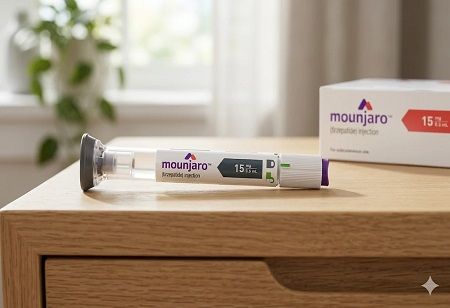
A counterfeit drug racket involving fake versions of Mounjaro injections and counterfeit medicines has come under investigation in India after packaging mistakes helped authorities identify suspicious products. Officials say the case highlights the growing challenge of fake medicines entering the market, especially as demand rises for diabetes and weight-loss treatments.
Mounjaro, produced by Eli Lilly and Company, is commonly prescribed to help manage type 2 diabetes and support weight-loss treatment. As interest in the medicine grows, counterfeiters appear to be taking advantage of high demand by selling fake versions that closely resemble the original product.
The issue came to light when drug control officials noticed irregularities in medicine packaging during inspections. Small but important differences, including spelling mistakes, unusual fonts, and incorrect labeling, raised concerns about the authenticity of the products. These packaging flaws eventually led to a wider investigation.
Key Points:
According to officials, the fake injections looked similar to genuine Mounjaro pens and pharmaceutical packaging at first glance. However, closer inspection revealed several inconsistencies. Some labels had printing errors, while others contained missing or incorrect information.
Packaging plays a critical role in pharmaceutical safety and product authenticity. Genuine medicines include clear instructions, batch numbers, storage details, and manufacturing information. In this case, investigators found that some products lacked standard details or displayed information that did not match approved packaging.
Experts say counterfeit medicines often try to copy original brand packaging to appear convincing. However, small mistakes in design, spelling, or formatting can reveal that a product is not genuine. These details became key clues in exposing the suspected racket.
Also Read: Biocon Denosumab Biosimilars Strengthens Global Push Drug Approval
After identifying the suspicious products, authorities carried out raids in Gurugram and seized counterfeit injection pens worth more than ?70 lakh. During the operation, officials recovered packaging materials, labels, syringes, and substances believed to be linked to the manufacturing process.
Investigators suspect the products may have been made in unauthorized facilities rather than licensed pharmaceutical units. Early findings suggest that some counterfeit medicines may have been prepared in residential spaces without proper safety standards.
Authorities are now examining how the fake injections were produced and whether raw materials were sourced locally or imported. Unlike regulated pharmaceutical manufacturing, counterfeit production often lacks hygiene controls, testing procedures, and quality checks.
Officials are also trying to determine how far the distribution network may have spread and whether similar fake medicines reached other cities.
Investigators believe digital platforms could have played a role in spreading counterfeit drugs. With many consumers searching online for lower-cost treatments, fake products may have been sold through unauthorized websites or informal sellers.
Health experts warn that online medicine sales and unauthorized sellers make it easier for counterfeit products to reach patients. Professional-looking packaging and discounted prices can make fake medicines appear genuine.
Authorities are examining whether online marketplaces, social media platforms, or private sellers helped distribute the counterfeit injections. Experts say stronger monitoring of e-commerce platforms and online pharmacies is necessary to reduce the risk of unsafe medicines reaching consumers.
Medical professionals warn that injectable medicines and counterfeit injections can be especially dangerous. Since injections enter the body directly, poor manufacturing practices can lead to serious health complications.
Fake drugs may contain the wrong ingredients, unsafe chemicals, or incorrect doses. In some cases, they may contain no active medicine at all. Patients using fake medication may experience ineffective treatment, infections, allergic reactions, or worsening health conditions.
Doctors stress that sterile manufacturing and drug safety standards are essential for injectable medicines. Products made outside regulated facilities may carry contamination risks and fail to meet basic quality requirements.
Also Read: Brain Immune Cell Calcium Activity Linked to Anxiety, Study Finds
The increasing popularity of diabetes medication and weight-loss drugs has created opportunities for illegal sellers. As demand rises, counterfeiters often target expensive or hard-to-find medicines because consumers may be more willing to buy from unofficial sources.
Health experts advise patients to purchase medicines only from licensed pharmacies and trusted healthcare providers. Products sold at unusually low prices or through unverified platforms should be approached with caution.
Authorities continue to investigate the full extent of the fake Mounjaro operation and identify those involved. The case serves as a reminder that counterfeit pharmaceuticals and public health risks remain a serious concern in the growing healthcare market.
.jpg)