The Government of India is stepping up efforts to strengthen healthcare infrastructure while focusing on the early diagnosis of non-communicable diseases (NCDs), Union Health Minister Jagat Prakash Nadda said during a recent policy discussion.
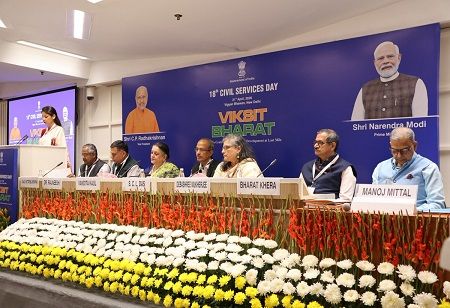
Speaking on Civil Services Day, Nadda pointed out that nearly 60% of deaths in India are caused by chronic diseases such as diabetes, hypertension, cancer, and heart-related conditions. He stressed that tackling these diseases requires a shift towards preventive healthcare, regular screening, and timely treatment.
While India has made significant progress in controlling infectious diseases, Nadda noted that non-communicable diseases present a different challenge due to their long-term nature. He highlighted the importance of spreading awareness and strengthening diagnostic systems so that conditions can be detected and managed early.
The Government of India has expanded its efforts under the National Programme for Prevention and Control of Non-Communicable Diseases. A key part of this initiative is improving access to primary healthcare. Over 1.85 lakh Ayushman Arogya Mandirs have been set up across the country to bring basic health services closer to communities.
Also Read: India Pharma Sector Prepared to Handle Short-Term Supply Challenges
In addition, healthcare facilities at the district level are being strengthened. Several NCD clinics and cardiac care units have been established, and the government is working towards setting up day-care cancer centres in every district to make treatment more accessible.
Large-scale health screening programmes are also playing a crucial role. Since 2017, more than 41 crore people have been screened for conditions like hypertension and diabetes. Screening for cancers—especially oral, breast, and cervical—is also being expanded to ensure early disease detection and better outcomes.
Nadda also highlighted the role of telemedicine services. The eSanjeevani platform has helped millions, particularly in rural areas, access medical consultations without the need to travel long distances.
He emphasised that along with infrastructure and technology, lifestyle changes and public health awareness will be key to reducing the growing burden of non-communicable diseases in India.

.jpg)