India Pharma Outlook Team | Tuesday, 27 October 2026
Osteosarcoma treatment remains a significant challenge for patients whose cancer returns or progresses after multiple therapies.
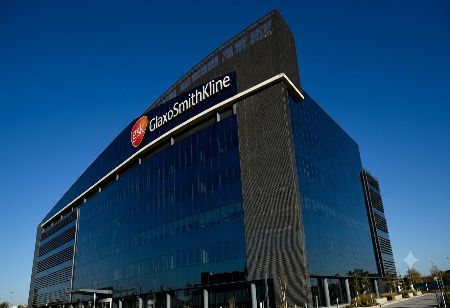
GSK and Hansoh Pharmaceutical have reported positive Phase III results for risvutatug rezetecan, known as Ris-Rez.
Risvutatug rezetecan, an investigational drug that reduced the risk of disease progression or death by 67 percent when compared with chemotherapy.
The ARTEMIS-011 trial, conducted in China, found that patients receiving Ris-Rez remained progression-free for a median of 5.5 months, against 1.4 months with chemotherapy.
These findings highlight the potential of targeted therapies while raising important questions about safety, treatment access and the next steps towards regulatory approval.
Osteosarcoma is a rare bone cancer that frequently affects children, adolescents and young adults. Treatment typically involves chemotherapy and surgery, but managing the disease becomes more difficult when it returns or progresses.
For patients with relapsed osteosarcoma, the availability of established treatment options is limited. The challenge is particularly significant for those whose disease has progressed despite multiple treatments.
The ARTEMIS-011 trial enrolled 122 patients aged 12 and older whose osteosarcoma had progressed or relapsed after at least two previous lines of systemic therapy. Participants received either Ris-Rez or chemotherapy comprising gemcitabine and docetaxel.
The study’s findings provide new evidence in a difficult-to-treat setting with limited treatment options, and they underscore why osteosarcoma research needs to extend beyond initial diagnosis and first-line therapy.
Further regulatory review and evidence on longer-term outcomes will be important in determining the drug's eventual role.
Also Read: India's 30% Anti-Cancer Drug Margin Cap: What It Means for Pharma
In the ARTEMIS-011 study, median progression-free survival was 5.5 months among patients receiving Ris-Rez, compared with 1.4 months in the chemotherapy group.
The treatment also reduced the risk of disease progression or death by 67 percent, according to the trial's primary analysis.
The reported findings therefore demonstrate a benefit in delaying progression but should not be interpreted as proof of an equivalent improvement in overall survival.
Ris-Rez is a B7-H3-targeted antibody-drug conjugate (ADC), designed to deliver a cancer-killing payload to cells expressing the target. This approach is being investigated as a way to improve treatment options across difficult-to-treat solid tumours.
Grade 3 or higher treatment-related adverse events occurred in 93 percent of patients receiving Ris-Rez and 83 percent receiving chemotherapy. Treatment-related adverse events led to discontinuation in 4 percent and 2 percent of patients, respectively.
Hanosh intends to back its regulatory filing with the ARTEMIS-011 data in China, while GSK, which holds Ris-Rez rights outside Greater China, continues global phase II studies in advanced osteosarcoma and soft tissue sarcoma.
This is particularly relevant as pharmaceutical companies explore treatment options for rare cancers, where smaller patient populations can make clinical development challenging.
The results also add to the development of GSK's cancer drug portfolio through its partnership with Hansoh.
Nevertheless, regulatory approval, further safety evaluation and additional clinical evidence remain important milestones before Ris-Rez can become an established treatment option.
For patients with relapsed disease, the study represents encouraging progress in osteosarcoma treatment research.
Its eventual clinical impact will depend on the totality of the evidence, including longer-term outcomes and the benefit-risk assessment conducted by regulators.