
India Pharma Outlook Team | Monday, 03 August 2026
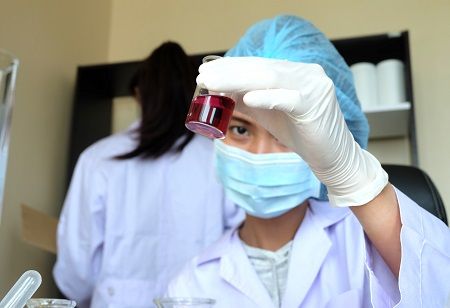
Childhood leukaemia remains a major health concern across the region. A new study shows India accounts for nearly 70% of South Asia's childhood leukaemia cases. The findings were published in The Lancet. Researchers said India's large population and uneven healthcare access have contributed to this high disease burden. The study also stressed the need for faster early diagnosis and stronger cancer care systems.
The report estimates that India records between 25,000 and 50,000 new childhood leukaemia cases every year. Most patients are younger than 15 years. The disease is already the most common form of blood cancer among children. Experts believe many cases still remain undiagnosed or reach hospitals at advanced stages.
The researchers noted that delayed treatment continues to affect survival rates. Many families also struggle to reach specialized treatment centers. These challenges remain greater in rural and low-resource regions.
While India’s large population is responsible for the high incidence of leukaemia, other countries may have a large number of unreported and undiagnosed cases, said Narendra Agarwal, haematologist and bone marrow transplant physician at Rajiv Gandhi Cancer Institute & Research Centre.
The study found India contributes around seven out of every 10 childhood leukaemia cases reported across South Asia. The country's share is much higher than its neighboring nations. Researchers linked this to population size and unequal availability of specialized pediatric oncology services.
West Bengal alone reports an estimated 1,000 to 1,800 new cases every year. Similar trends are expected across several other states with large populations.
The researchers identified several factors affecting patient outcomes.
The report said these issues often delay treatment. Delayed care can reduce the chances of successful recovery.
Also Read: Driving Vaccine Adoption Beyond Pediatric Immunization in India
Experts said childhood leukaemia is highly treatable when diagnosed early. Many developed countries now report survival rates above 80%. Similar outcomes are possible with timely diagnosis and standardized treatment.
The study called for stronger investments in pediatric oncology services. It also recommended expanding cancer registries and improving referral systems. Better screening and faster diagnosis can help children receive treatment earlier.
Researchers also highlighted the importance of training healthcare workers. Primary care doctors should recognize warning signs quickly. Faster referrals can prevent unnecessary treatment delays.
Public awareness campaigns can also improve outcomes. Parents should seek medical advice if children experience persistent fever, unusual bruising, fatigue, or frequent infections.
The study said reducing childhood cancer deaths requires coordinated action. Governments, hospitals, and healthcare organizations must work together. Expanding treatment centers can improve access for families living outside major cities.
The researchers believe better infrastructure, trained specialists, and affordable treatment can significantly improve survival. Early intervention remains the most effective way to reduce the burden of childhood cancer in India.
As India continues to report the highest number of childhood leukaemia cases in South Asia, experts say strengthening pediatric cancer services should remain a national healthcare priority.
.jpg)