India Pharma Outlook Team | Monday, 16 November 2026
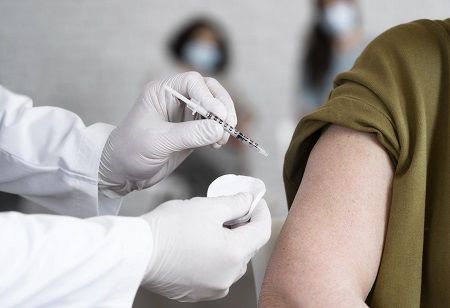
India's first Zika vaccine has moved a step closer to human testing, marking an important development in the country's efforts to strengthen protection against emerging mosquito-borne infections.
Indian Immunologicals Limited (IIL), through its Human Biologicals Institute (HBI), is developing the vaccine in partnership with Australia's Griffith University.
The progress comes at a time when Zika remains a public health concern because of its potential complications during pregnancy.
The vaccine candidate now enters an important regulatory stage as researchers prepare to evaluate its safety and immune response in humans.
The CDSCO's Subject Expert Committee (SEC) has recommended Phase I clinical trials after reviewing HBI's non-clinical data. The panel reconsidered the proposal in November after the company submitted complete study reports and scientific justification for selecting the trial dose.
The proposed study will follow a randomized, double-blind and placebo-controlled design involving healthy adults aged 18–50. Researchers will assess:
Also Read: Moving Indian Pharma from Volume to Value Through Innovation and Strategic Partnerships
Zika infection can cause microcephaly and other congenital abnormalities in infants when pregnant women contract the virus. In some cases, it can also lead to Guillain-Barré syndrome, a neurological disorder.
India has experienced sporadic, localized Zika outbreaks since its first confirmed cases in 2016. The absence of an approved Zika vaccine makes research particularly important for strengthening future disease preparedness.
Under an agreement with IIL, the Indian Council of Medical Research (ICMR) will finance Phase I clinical trials, including trial conduct, investigations and monitoring. ICMR will also provide its network of clinical trial sites across India.
Therefore, the successful human testing could strengthen India's capacity to respond to emerging mosquito-borne infections. However, further clinical studies must establish the vaccine's safety and effectiveness before researchers can consider wider public use.