India Pharma Outlook Team | Monday, 16 November 2026
A promising cancer drug can delay disease progression without proving that patients live longer.
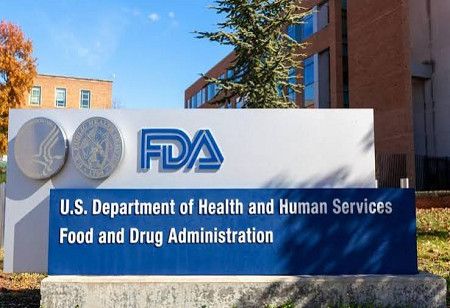
Summit Therapeutics' ivonescimab has encountered a regulatory challenge after the US Food and Drug Administration (FDA) declined to approve the investigational lung cancer treatment. This decision highlights the growing importance of survival evidence in cancer drug development.
Although ivonescimab demonstrated encouraging results in previously treated lung cancer patients, the FDA's decision raises questions about its regulatory future, commercial potential and the evidence required to bring the treatment to the US market.
Summit Therapeutics faced a major regulatory setback after the FDA issued a Complete Response Letter for ivonescimab combined with chemotherapy in previously treated EGFR-mutated non-small cell lung cancer.
According to Reuters, Summit later submitted updated survival data that it said showed consistent improvements across Asian and Western patient populations. However, the FDA maintained its decision following the original survival analysis.
Also Read: Why Peptides and Complex Generics Will Define India Pharma's Future
Progression-free survival measures how long patients live without their cancer worsening, while overall survival measures how long they live after starting treatment. Although delaying progression can help patients manage their disease, regulators also assess whether treatment delivers meaningful long-term survival benefits.
Summit's development program still offers another opportunity to strengthen its evidence. Reuters reported that the company expects late-stage results from a separate lung cancer study involving a different patient population by year-end. Those findings could help clarify ivonescimab's broader clinical potential and future regulatory prospects.