India Pharma Outlook Team | Monday, 25 May 2026
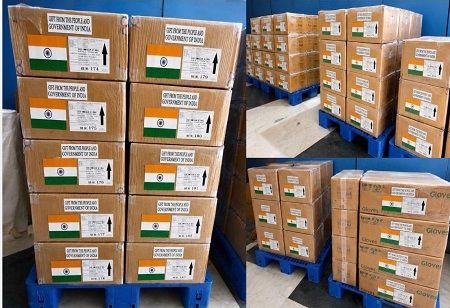
India has stepped up its global health response after the World Health Organization (WHO) declared an Ebola emergency, with India sending Ebola aid to Africa following the WHO health alert to support countries struggling with a growing outbreak in Central Africa. The assistance comes as concerns rise over the spread of the deadly Bundibugyo strain, which has affected parts of the Democratic Republic of the Congo (DRC) and Uganda.
The Indian government has sent an emergency shipment of medical supplies and protective equipment to support healthcare systems battling the outbreak.
The aid has been delivered through the Africa Centres for Disease Control and Prevention (Africa CDC), which is coordinating regional efforts to contain the virus. The consignment includes protective gear, medical essentials, and emergency materials intended to support frontline healthcare workers and vulnerable communities.
Also Read: Indian Pharma Hit by Gulf Tensions & South Asia Trade Curbs
The WHO recently classified the outbreak as a Public Health Emergency of International Concern (PHEIC), highlighting the seriousness of the situation and the possibility of the virus spreading beyond affected borders. In addition, the Africa CDC has categorized the outbreak as a continental health emergency, reflecting growing concern over pressure on healthcare systems.
Health experts are particularly worried about the Ebola outbreak because there are currently no approved vaccines or targeted treatments specifically developed for the Bundibugyo strain. Ebola virus disease spreads through direct contact with infected bodily fluids and can cause symptoms such as fever, fatigue, vomiting, and internal bleeding. Given its high fatality risk, authorities say disease surveillance and strict preventive measures remain critical.
To help reduce international spread, the World Health Organization (WHO) has recommended stronger monitoring at airports and border checkpoints. Countries have been advised to remain alert and screen travelers arriving from affected regions for symptoms associated with the virus. People have also been urged to avoid travel to areas experiencing active transmission unless absolutely necessary.
In response to the situation, the Government of India has issued a travel advisory asking citizens to avoid non-essential travel to the Democratic Republic of the Congo, Uganda, and South Sudan until conditions improve. Officials described the measure as precautionary, aimed at protecting travelers while keeping the country prepared for possible health risks.
Although India has not reported any confirmed cases linked to the current Ebola outbreak, health authorities are closely monitoring developments. Surveillance at airports and ports of entry is expected to be strengthened, especially for travelers coming from high-risk regions. Neighboring African nations are also being watched carefully due to concerns about cross-border transmission and healthcare vulnerabilities.
India’s decision to quickly send humanitarian support reflects its expanding role in responding to international health emergencies. By offering medical aid to Africa during a critical outbreak, the country is not only helping affected nations but also contributing to broader efforts to contain the disease and prevent further global spread.
.jpg)