
India Pharma Outlook Team | Friday, 04 September 2026
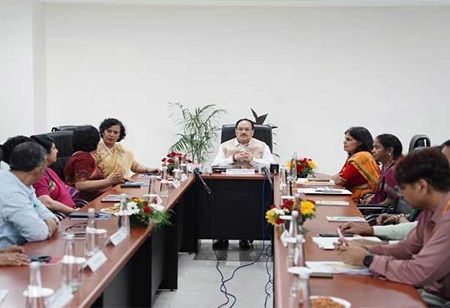
Nadda pushes advanced diagnostics at Safdarjung Hospital with the inauguration of new specialized facilities.
Union Health Minister J.P. Nadda has opened a Centre for Advanced Bladder Diagnostics and PET-CT and SPECT-CT services at VMMC and Safdarjung Hospital in New Delhi.
The additions aim to strengthen specialized diagnostic capacity at an affordable cost and support both patient care and postgraduate training.
The bladder center introduces an approach attempted for the first time in India. Together, the new services are expected to benefit thousands of patients each year.
The Centre for Advanced Bladder Diagnostics sits in the Department of Urology. It integrates Video Urodynamics (VUDS) with Near Infrared Spectroscopy (NIRS)-based brain mapping. The health ministry states that this combination is being attempted for the first time in India.
The integration allows doctors to assess changes in cerebral blood oxygenation during bladder filling and emptying. Clinicians can therefore examine whether a bladder disorder is primarily bladder-related, neurological in origin, or a combination of both. The facility supports diagnosis of urinary disorders, including complex cases linked to neurological conditions.
Key features of the center include:
Also Read: How Regulatory Readiness Can Shape Pharma's Global Growth
The hospital has also installed PET-CT and SPECT-CT systems in the Department of Nuclear Medicine. These platforms expand advanced diagnostic services across several specialties.
The PET-CT facility will support:
The SPECT-CT facility will strengthen diagnosis of cardiac, renal, endocrine, orthopedic and gastrointestinal conditions. Nuclear medicine services are expected to benefit around 600–700 patients annually and will remain available at an affordable cost. Overall, the new diagnostic facilities are projected to serve approximately 5,600 patients each year.
During the same visit, Nadda inspected the Heart Command Centre and the Sports Injury Centre and reviewed their services. He also examined the broader functioning of Safdarjung Hospital and its pipeline of projects.
The minister stressed the need for regular reviews and periodic inspections of projects still in the pipeline. He emphasized the importance of setting practical and achievable timelines so that projects reach completion on schedule.
Nadda appreciated the distinct identity and reputation that Safdarjung Hospital has built over the years and noted that the institution has established its own standing in the healthcare sector.
Senior officials present at the inauguration included Punya Salila Srivastava, Secretary, Ministry of Health and Family Welfare; Dr Kavita Rani Sharma, Director, VMMC and Safdarjung Hospital; Dr Charu Bamba, Medical Superintendent; and Chitra, Joint Secretary (Hospital).
The new centers strengthen specialized diagnostic infrastructure at one of Delhi’s major public hospitals. The bladder diagnostics unit introduces a novel combination of urodynamic testing and brain mapping that can clarify the origin of complex urinary disorders.
The nuclear medicine facilities add capacity for cancer staging, cardiac and other specialized imaging at affordable rates. Both sets of services will also support postgraduate training.
By inaugurating these platforms and calling for disciplined project monitoring, Nadda has linked immediate diagnostic upgrades with longer-term institutional performance. The result is expanded access to advanced tests for patients, including those from economically disadvantaged groups, and a clearer signal that specialized public-sector diagnostics remain a priority.


.jpg)
