India Pharma Outlook Team | Wednesday, 22 July 2026
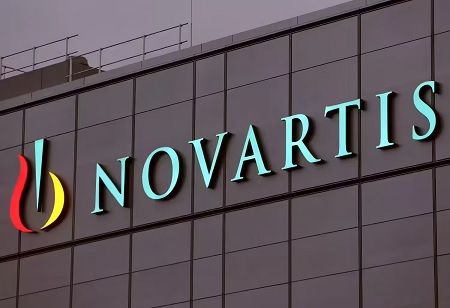
Novartis posted stronger Q2 sales, helped by robust demand for its blockbuster medicines. The Swiss drugmaker also maintained its full-year 2026 outlook.
The company delivered higher revenue despite lower profit and free cash flow. Strong performance from Kisqali, Kesimpta, Pluvicto, Leqvio, and Scemblix supported overall growth.
The company also reported fresh regulatory approvals and important pipeline milestones.
The company reported second-quarter net sales of USD 14.4 billion. Sales increased 3% in US dollars and 1% at constant currencies. Growth came mainly from oncology and specialty medicines.
However, profitability remained under pressure. Operating income declined 3% at constant currencies. Net income dropped 19% year-on-year to USD 3.3 billion. Core operating income remained stable at USD 5.9 billion. The core operating margin stood at 41.2%. Free cash flow fell 12% to USD 5.6 billion.
Novartis recorded strong growth across several of its top-selling medicines.
Key highlights include:
Novartis CEO Vas Narasimhan highlighted the company’s commercial momentum and research progress: "Novartis delivered a solid second quarter, returning to sales growth driven by continued momentum from Kisqali, Kesimpta, Scemblix and Pluvicto. We are encouraged by the early trajectory of our recent launches, Rhapsido in CSU and Itvisma.
He said Novartis made meaningful progress across its research pipeline. He pointed to updated survival data for Kisqali in early breast cancer. He also mentioned the accelerated approval filing for del-zota in Duchenne muscular dystrophy.
He added that the company expects several important clinical readouts during the second half of 2026. Novartis also remains on track to achieve its full-year guidance.
Also Read: AI in Drug Discovery and Development: From Lab to Commercial Market
The company secured several regulatory approvals during the quarter.
The European Commission and Japan approved Rhapsido (remibrutinib). The oral treatment is for adults with chronic spontaneous urticaria. It became the first approved Bruton's tyrosine kinase inhibitor for the condition.
The European Commission also approved Itvisma (onasemnogene abeparvovec). The gene replacement therapy targets a broad group of patients with 5q spinal muscular atrophy.
Novartis also shared updated six-year data from the NATALEE study. The results showed Kisqali delivered meaningful overall survival benefits in early breast cancer. The FDA granted Kisqali pediatric exclusivity. This extends the medicine's existing patent protection by six months.
Novartis continued expanding its pipeline through strategic acquisitions. The company agreed to acquire Myricx Bio. The deal adds antibody-drug conjugate programs targeting B7-H3 and HER2.
It also completed the acquisitions of Pikavation Therapeutics and Excellergy. These deals strengthen its early-stage breast cancer and allergy disease programs. The company continues to focus on four major therapeutic areas:
Novartis said it will continue investing in innovative medicines and advanced technologies. The strategy aims to support long-term growth and strengthen its leadership in specialty medicines.
Novartis is a global pharmaceutical company headquartered in Switzerland. It develops innovative medicines across oncology, immunology, neuroscience, cardiovascular and rare diseases, serving patients worldwide.