India Pharma Outlook Team | Tuesday, 15 September 2026
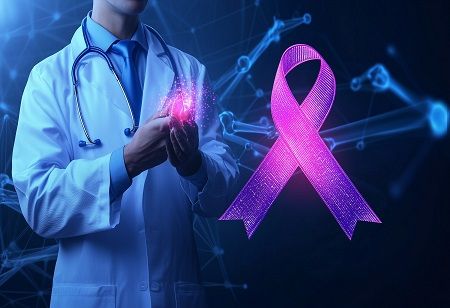
An India-built artificial intelligence platform for cancer care earns a feature in a special issue of The BRICS Health Journal during the recent BRICS Summit.
AIIMS New Delhi and C-DAC Pune developed the platform, called iOncology.ai, with support from the Ministry of Electronics and Information Technology.
The recognition places an Indian health-tech tool in the international spotlight and signals how homegrown AI can address cancer-care gaps across emerging economies.
Here is the full picture of what the platform does and where it stands today.
iOncology.ai integrates cancer-related clinical data to support early detection, risk stratification, treatment planning, multidisciplinary review and longitudinal patient data management. AIIMS New Delhi and C-DAC Pune built the system with MeitY backing.
The platform draws on curated Indian clinical, radiological and histopathological datasets. Developers plan to add genetic data and connect the tool with electronic health record systems. The platform currently sits in pilot-stage clinical validation and implementation evaluation.
Teams assess its performance and potential clinical use while it remains in active research mode. Both source reports note a clear caveat: iOncology.ai is not yet clinically validated. No peer-reviewed evidence has established its diagnostic accuracy, clinical utility, or effectiveness. Prospective multicenter validation must still take place before wider clinical use.
Also Read: How Regulatory Readiness Can Shape Pharma's Global Growth
The development fits India’s drive to create health AI tools trained on local patient data rather than imported Western models. Indian datasets power the system and directly address concerns about tools built only on non-Indian records.
The BRICS journal feature lets India showcase the platform in health-tech diplomacy among nations that together account for more than 40 percent of the world’s population, roughly 9 million new cancer cases and 4.66 million deaths each year.
Dr Ashok Sharma of AIIMS told reporters that India can use such collaborations to strengthen prevention, early diagnosis and treatment through evidence-based solutions tailored for resource-constrained settings.
Multicentre clinical validation, full electronic health record integration and genetic-data incorporation still lie ahead. For now, iOncology.ai remains a research-stage platform that has drawn international attention through the BRICS Health Journal. It is not yet a ready clinical care tool, but the spotlight marks an important step in India’s effort to shape cancer care technology for the Global South.