
India Pharma Outlook Team | Tuesday, 14 July 2026
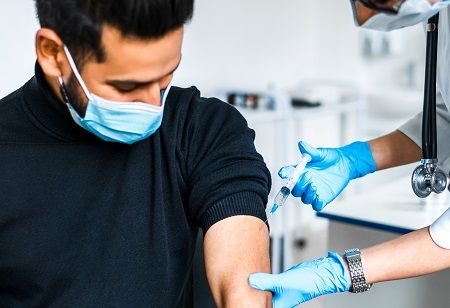
The Oxford Ebola vaccine has reached a major milestone. The University of Oxford has started the world's first human trial for a vaccine against the Bundibugyo Ebola virus.
The Oxford Ebola vaccine trial aims to close a long-standing gap in Ebola protection. Scientists hope the vaccine will help countries respond faster to future outbreaks. The study marks an important step in global health research.
The vaccine, called ChAdOx1 BDBV, is the first designed specifically for the Bundibugyo strain. Existing Ebola vaccines mainly target the Zaire strain. They do not have approval for Bundibugyo Ebola. This makes the new vaccine an important addition to Ebola research and outbreak response.
The human trial is a Phase 1 study named BD-Ebov. It will enroll 50 healthy volunteers between 18 and 55 years of age. Researchers will first examine the vaccine's safety. They will also study how well it triggers an immune response.
The trial will take place in Oxford. Vaccinations will begin after the required regulatory approvals. Researchers expect the findings to guide future studies.
Key highlights of the trial include:
The vaccine uses the same chimpanzee adenovirus platform that powered the Oxford-AstraZeneca COVID-19 vaccine. This platform has already been tested in millions of people. Researchers believe the existing technology helped speed up vaccine development.
Scientists say using a proven platform can reduce development time. It can also provide valuable safety data during early-stage testing.
The vaccine does not mean immediate protection against Bundibugyo Ebola. More clinical trials will still be needed. The vaccine must successfully complete later trial phases before it can receive approval.
Also Read: Why the Latest Ebola Outbreak Has Global Health Experts on Alert
The trial comes at an important time. Bundibugyo Ebola outbreaks have affected Uganda and the Democratic Republic of the Congo. Although less common than the Zaire strain, Bundibugyo Ebola can still cause severe disease and death.
Health experts have long called for vaccines that target multiple Ebola strains. A vaccine for Bundibugyo Ebola could strengthen outbreak preparedness in affected regions.
Researchers believe better preparedness can help reduce the impact of future outbreaks. Early vaccination could support faster public health responses when cases emerge.
The University of Oxford hopes this study will lay the foundation for larger Phase 2 and Phase 3 trials. Those studies will determine whether the vaccine provides effective protection in real-world settings.
If successful, the vaccine could become the first approved option against the Bundibugyo strain. That would fill one of the biggest gaps in current Ebola prevention efforts.
The trial also reflects the growing focus on developing vaccines before outbreaks become widespread. Scientists say preparing for rare diseases is just as important as responding to ongoing health emergencies.
.jpg)