India Pharma Outlook Team | Tuesday, 07 July 2026
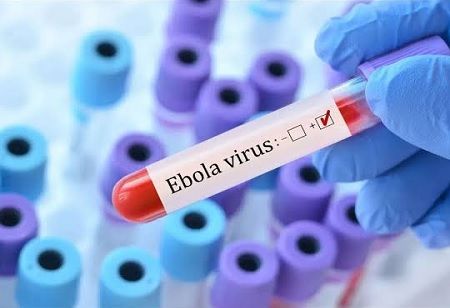
The Ebola death toll in the Democratic Republic of Congo has crossed 500, marking another major setback in the country's fight against the deadly virus.
The Ebola death toll has continued to climb just days after the outbreak spread to a fourth province, signaling that the health emergency is entering a more difficult phase. Adding to the concern, frontline health workers have threatened to go on strike over unpaid benefits and poor working conditions, putting the country's outbreak response at greater risk.
The latest development comes as the Democratic Republic of Congo struggles to contain the Ebola outbreak caused by the Bundibugyo strain, a rare variant for which there is no approved vaccine or specific treatment. Health authorities now fear that disruptions to medical services could slow efforts to isolate patients, trace contacts, and prevent further transmission.
According to health officials, the outbreak has now resulted in 1,561 confirmed Ebola cases and 506 confirmed deaths, making it one of the deadliest Ebola outbreaks recorded in the country.
Frontline health workers have issued a 24-hour strike notice, citing delayed payments, unpaid allowances, inadequate protective equipment, and difficult working conditions. Many workers say they have continued treating infected patients despite limited resources but can no longer sustain the situation without government support.
If the strike moves forward, it could significantly affect key public health operations, including:
Public health experts warn that any interruption in these activities could allow the virus to spread faster, especially in areas where healthcare services are already stretched.
Also Read: Ebola Cases Cross 1,000 Mark as WHO Issues Fresh Warning
The latest update follows reports that the Ebola outbreak had expanded into a fourth province in eastern Congo. While the earlier concern centered on the geographical spread of the virus, attention has now shifted to the country's ability to maintain an effective response.
The current outbreak began in May 2026 in Ituri Province before spreading to neighboring regions. Ongoing armed conflict, population movement, and limited healthcare infrastructure have complicated containment efforts.
Unlike previous outbreaks caused by the Zaire strain of Ebola, the current emergency involves the Bundibugyo strain, which does not yet have an approved vaccine. Although researchers are evaluating experimental vaccines and treatments, healthcare teams continue to rely mainly on early detection, supportive care, patient isolation, and contact tracing to reduce transmission.
The growing number of infections has also increased pressure on hospitals and emergency response teams that have been working for months under challenging conditions.
The rising Ebola death toll highlights the need for stronger financial and operational support for frontline responders. Public health agencies have repeatedly emphasized that trained healthcare workers remain one of the most important defenses against the virus.
As Congo enters another critical stage of the Ebola outbreak, authorities face two urgent challenges at the same time—containing the spread of the virus and ensuring that frontline health workers remain on the job. Without timely financial support and uninterrupted healthcare services, the country's efforts to control the outbreak could face even greater setbacks.
.jpg)