India Pharma Outlook Team | Tuesday, 07 July 2026
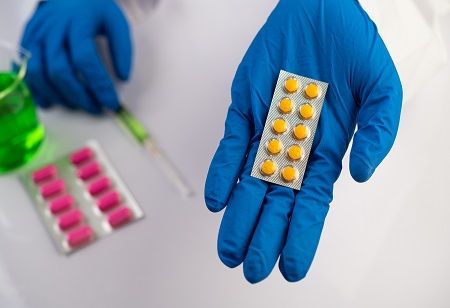
The patient advocacy groups in India called for the incorporation of new cancer drugs into the NLEM. This is due to an increasing disparity between medical developments and public health care provisions.
The demand has been raised due to the lack of any revisions to the NLEM for about four years. Despite frequent revisions of such standards being set out by the WHO. The organizations claim that patients do not get access to vital and advanced medication due to the failure to revise and update the NLEM.
The NLEM is responsible for regulating the prices of drugs and their availability in the country. Therefore, its revision becomes essential due to high numbers of cancer cases in India.
This reform needs to be implemented immediately for the revision of the NLEM to incorporate modern medicines for cancers.
The patient advocacy groups are demanding that policymakers revise the list in such a way that it will be compatible with international standards, especially the WHO's revised model list.
The second demand is that once these medicines are incorporated into the NLEM, they should be brought under the price control regime to make them available at lower prices. Once the medicines are incorporated into the list, they become more accessible to the people via public health care systems.
Also Read: Scaling Perfusion Technology from Lab Success to Manufacturing Reality
The inclusion of advanced cancer drugs in the NLEM has far-reaching implications for patients. Especially those from economically weaker backgrounds or those dealing with complex and long-term treatment needs.
Cancer therapies are often expensive and prolonged, which leads to immense financial and emotional strain on families. By bringing new drugs under the NLEM, patients can benefit from reduced treatment costs, improved access to modern therapies, and better treatment outcomes.
For individuals with complicated healthcare conditions, such as advanced-stage cancers or those requiring targeted therapies, access to the latest medicines can significantly improve survival rates and quality of life.
Therefore, this move would help bridge the gap between innovation and accessibility. While medical science continues to develop cutting-edge treatments, their benefits often remain limited to those who can afford them. Initiatives like this would strengthen public health infrastructure by ensuring that government hospitals and healthcare centres are equipped with essential, up-to-date medicines.
It also enhances trust in the healthcare system, as patients gain confidence that they can access effective treatment without prohibitive costs. This will in turn, reflect a critical shift towards inclusive healthcare in India by advocating for timely updates and broader access to essential medicines.
.jpg)