India Pharma Outlook Team | Thursday, 19 November 2026
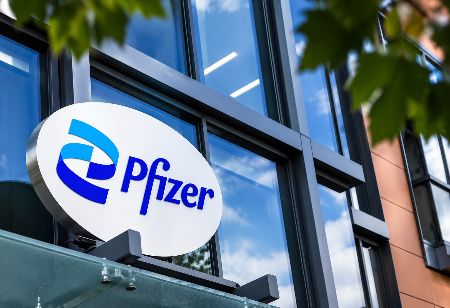
In vivo CAR-T therapy is gaining pharmaceutical industry attention as Pfizer has entered an exclusive licensing agreement with China's Starna Therapeutics in a deal worth up to USD 2.6 billion.
Announced on November 18, the agreement covers three early-stage programs targeting autoimmune diseases.
Pfizer will pay Starna USD 330 million upfront, with up to USD 2.3 billion in additional milestone payments and royalties on approved product sales.
The programs are currently at the pre-investigational new drug (pre-IND) stage. The partnership also gives Pfizer access to Starna's RNA technology and targeted lipid nanoparticle delivery platform.
Also Read: India's 30% Anti-Cancer Drug Margin Cap: What It Means for Pharma
Unlike conventional CAR-T treatment, which involves collecting a patient's T cells, modifying them in a laboratory and reinfusing them, in vivo CAR-T therapy aims to genetically reprogram immune cells directly inside the body.
The approach uses genetic instructions to modify immune cells so they can target specific disease-causing cells. This could simplify the manufacturing process associated with conventional CAR-T treatments.
Certain autoimmune diseases involve abnormal immune-cell activity, including B cells that produce antibodies against the body's own tissues.
In vivo CAR-T therapy is being investigated as a potential way to target these cells and modify harmful immune responses.
Pfizer's Chief Inflammation and Immunology Officer, Michael Vincent, identified the approach as a promising option for patients whose conditions are not adequately addressed by existing treatments.
Starna's platform uses targeted lipid nanoparticles (LNPs) to deliver RNA into cells. This technology aims to provide the genetic instructions needed for in vivo cell reprogramming.
Pfizer will lead clinical development outside Greater China and plans to manufacture initial clinical trial supplies at its US facilities. The programs will require further testing to establish their safety and effectiveness.