
India Pharma Outlook Team | Saturday, 05 September 2026
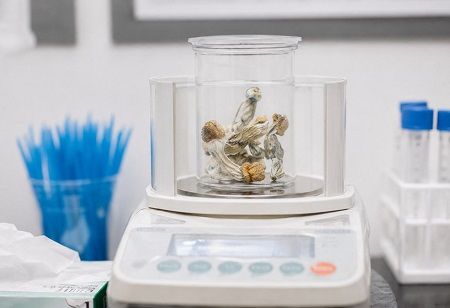
A psychedelic drug may find a new role beyond mental health as researchers explore whether psilocybin can prevent nerve damage caused by chemotherapy.
Scientists at the University of Texas MD Anderson Cancer Center found that the compound protected sensory nerves and preserved touch sensation in mice exposed to chemotherapy.
The findings could open a new direction for supportive cancer care, where preventing treatment-related nerve injury remains an important challenge.
Researchers now plan to test the approach in people, creating a potential bridge between psychedelic medicine, neuroscience and oncology.
Chemotherapy can damage peripheral nerves and cause symptoms such as pain, numbness and changes in sensation. Researchers examined whether psilocybin could prevent this type of nerve injury rather than address the damage after it develops.
In the mice study, researchers gave two doses of psilocybin before chemotherapy. The treatment preserved sensory nerves and touch sensation without weakening chemotherapy's ability to fight cancer cells. These results point to a possible preventive strategy for chemotherapy-induced peripheral neuropathy.
The findings highlight several important observations:
Also Read: Why Vaccine Innovation Must Go Beyond Traditional Platforms
Psychedelic drugs have attracted significant scientific interest for their potential role in mental health. This research takes the field in a different direction by examining whether psilocybin can protect nerve cells from chemotherapy-related injury.
Researchers also found evidence that psilocybin protected mitochondria inside nerve cells. Mitochondria help cells produce energy, so protecting these structures could offer another explanation for the compound's neuroprotective effects. The findings suggest that the 5-HT2A pathway may offer opportunities beyond psilocybin itself.
This approach could eventually expand the role of psychedelic science across areas that extend beyond psychiatric treatment. However, researchers still need to establish whether the biological effects seen in mice can translate into meaningful benefits for cancer patients.
The current findings come from animal research, so they do not yet demonstrate that psilocybin can prevent chemotherapy-induced nerve damage in people. Researchers now plan a clinical trial to investigate the approach in human patients.
The planned study represents an important next step because human trials can assess whether the nerve-protective effects remain consistent outside laboratory models. Researchers will also need to examine safety, dosing, and the overall clinical benefit before the approach can enter routine cancer care.
Chemotherapy remains an essential cancer treatment, but treatment-related nerve damage can create another burden for patients. A therapy that could prevent this complication could complement existing cancer treatment without interfering with chemotherapy's effectiveness.
The research therefore creates an interesting intersection between psychedelic drugs, cancer care, and neuroprotection. Psilocybin does not represent an established treatment for chemotherapy-induced neuropathy yet. Instead, the early findings offer a potential new path for drug development.