India Pharma Outlook Team | Monday, 06 July 2026
Indian healthcare and research ecosystem has taken a significant step forward with a breakthrough study in reducing the chemo side effects in patients at the Tata Memorial Hospital.
This study highlights the benefits of papaya leaf extract in managing chemotherapy-induced platelet loss. This development marks an important innovation in supportive cancer care, especially in a country where affordability and accessibility remain critical challenges.
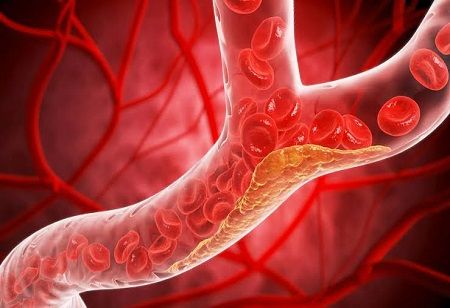
Chemotherapy-induced thrombocytopenia (low platelet count) is a common and serious complication in cancer treatment. It increases the risk of bleeding, weakens patients, and often forces doctors to delay or reduce chemotherapy doses.
The Tata Memorial phase-3 study, conducted on over 200 patients, found that standardized papaya leaf extract tablets significantly improved platelet recovery compared to placebo. Patients who received the extract showed faster recovery of platelet counts, allowing them to continue chemotherapy without major interruptions.
The study also confirmed that the treatment is safe, with no severe side effects reported. This represents a major shift from relying solely on expensive pharmaceutical interventions to incorporating clinically validated, plant-based supportive therapies.
Also Read: Scaling Perfusion Technology from Lab Success to Manufacturing Reality
Papaya leaf extracts work by stimulating the bone marrow, which is responsible for producing blood cells, including platelets. Research shows that it accelerates platelet production and recovery, helping patients reach safe platelet levels more quickly.
In clinical trials, a significantly higher proportion of patients receiving the extract achieved platelet recovery within just a few days compared to those on standard care alone. This faster recovery reduces complications such as bleeding risks and the need for platelet transfusions.
Additionally, the extract helps maintain chemotherapy intensity by reducing treatment delays and dose reductions. This is crucial because uninterrupted chemotherapy cycles improve overall cancer treatment outcomes.
For patients, the benefits are immediate and impactful. Faster platelet recovery means fewer hospital visits, lower risk of complications, and improved ability to stay on treatment schedules. Importantly, the cost of papaya extract therapy is significantly lower than conventional drugs, making it highly accessible.
For healthcare systems, especially in India, this innovation reduces the burden on hospitals. Fewer platelet transfusions, shorter hospital stays, and lower treatment costs can improve resource utilization. Studies have also shown that such interventions can reduce hospitalization duration and overall treatment complexity.
This development highlights how India can successfully integrate traditional knowledge with modern scientific validation. Papaya leaf extract has long been used in traditional medicine, particularly for dengue-related platelet loss.
This aligns with India’s broader healthcare vision promoting knowledge on Ayurveda with evidence-based medicine to create affordable, scalable solutions. It not only improves patient care domestically but also opens opportunities for India to lead in plant-based therapeutic innovations globally.
The study represents a meaningful advancement in cancer care. By offering an affordable, effective, and scientifically validated solution to a critical side effect of chemotherapy. Papaya leaf extract could reshape supportive oncology treatment not just in India, but globally.
.jpg)