India Pharma Outlook Team | Monday, 12 January 2026
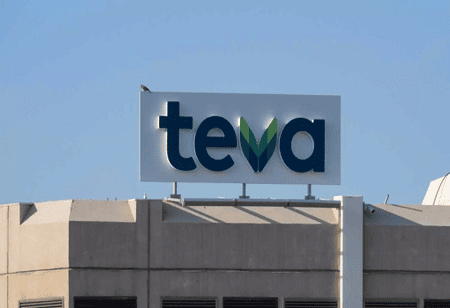
Teva Pharmaceuticals has signed a major funding agreement with Royalty Pharma worth up to $500 million, marking a significant boost for the development of TEV-408, its experimental anti-IL-15 antibody.
The acquisition places Teva Pharmaceuticals in a fast-tracked clinical development on a drug to treat vitiligo and other immune-based diseases, given an encouraging initial data. The deal involves the development of TEV-408, an IL-15, cytokine, which is becoming more and more associated with autoimmune activity.
Initial findings of a vitiligo trial indicate that the target might be instrumental in the treatment of autoimmune diseases. Teva intends to publish entire trial findings in 2026.
Also Read: Advancing Interventional Radiology in India Through Collaboration
“Strategic collaborations fuel innovation. This agreement with Royalty Pharma enables us to advance our science more efficiently and accelerate our pipeline to deliver meaningful solutions for patients worldwide,” said Richard Francis, Teva’s President and CEO.
Under the deal, Royalty Pharma will provide $75 million in R&D co-funding to support a Phase 2b vitiligo study expected to begin in 2026. Based on those results, Royalty Pharma may invest an additional $425 million to help fund Phase 3 development.
"We are delighted to enter into this second collaboration with Teva as they advance the development of TEV-‘408,” said Pablo Legorreta, Chief Executive Officer and Chairman of the Board of Royalty Pharma. “Vitiligo is a chronic autoimmune skin disease that can have a profound emotional and psychosocial burden, yet current treatment options are insufficient. Our continued collaboration underscores Royalty Pharma’s role as a long-term, trusted partner with a focus on funding innovation in potentially transformative and practice changing therapies.”
In case TEV-408 is approved and introduced commercially, Teva will make a milestone payment to Royalty Pharma and royalty payments on global net sales, which will reinforce this high-stakes collaboration in autoimmune drugs development.