India Pharma Outlook Team | Wednesday, 29 July 2026
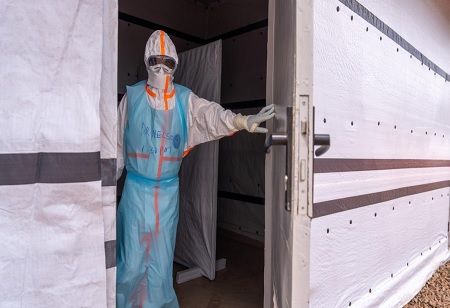
Uganda has officially declared the ebola outbreak over after completing 42 days without reporting a new confirmed case.
The announcement marks a major public health success. It comes after months of intensive surveillance, contact tracing, and patient monitoring.
The country followed the World Health Organization's guidelines before making the declaration. However, health officials say they will remain alert to prevent future infections.
The latest Ebola outbreak began earlier this year. It raised concerns because Ebola remains one of the world's deadliest viral diseases. Uganda responded quickly by isolating patients, tracing contacts, and increasing disease surveillance. These measures helped stop the virus from spreading further.
The World Health Organization recommends a country wait 42 days after the last confirmed patient tests negative or dies. This period is twice the maximum incubation time for the Ebola virus. Uganda completed the monitoring period without recording any new infections.
Health officials credited the achievement to early detection and quick action. Medical teams tracked people who had close contact with infected patients. They also strengthened screening at health facilities and increased public awareness across affected communities.
The outbreak resulted in 20 confirmed cases and two confirmed deaths. Several healthcare workers were among those infected. Despite the challenges, the outbreak remained limited compared to previous Ebola emergencies in Africa.
Ugandan Health Minister Chris Baryomunsi on Tuesday announced the “successful completion ?of the mandatory 42-day monitoring period which begun after the discharge of the last Ugandan national, a locally transmitted patient, on the 16 of June, 2026”.
Authorities also improved infection prevention measures in hospitals. Isolation centres were activated to treat confirmed patients safely. Contact tracing teams monitored hundreds of people who may have been exposed to the virus.
Officials said these efforts prevented wider community transmission. They also helped reduce panic while maintaining public confidence in the health system.
Also Read: AI in Drug Discovery and Development: From Lab to Commercial Market
Although Uganda has declared the outbreak over, authorities say the risk has not completely disappeared. Neighboring countries continue to monitor for possible cross-border transmission. Health experts have urged governments to maintain strong surveillance systems and emergency preparedness.
The World Health Organization also praised Uganda's coordinated response. It said quick reporting, effective public health measures, and community cooperation helped contain the outbreak before it became much larger.
Uganda has experienced several Ebola outbreaks over the years. Each outbreak has strengthened the country's emergency response systems. Officials believe the latest success highlights the importance of investing in disease surveillance, trained healthcare workers, and rapid response teams.
As Uganda celebrates the end of the outbreak, health authorities remain prepared to respond immediately if new cases emerge in the future.
.jpg)