India Pharma Outlook Team | Thursday, 21 May 2026
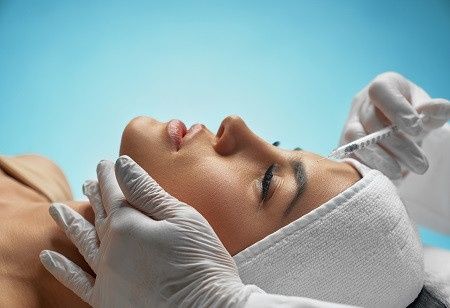
The pursuit of ageless skin has quietly become one of India’s fastest-growing industries. Cosmetic procedures like Glutathione drips, Botox injections, dermal fillers, and anti-ageing infusions are no longer confined to registered clinics; they are being administered in salons and wellness centers and even at home.
The surge of unregulated beauty injections is now hurting Indians by creating a dangerous parallel healthcare system that operates outside medical oversight. A series of recent cases makes it clear to us that unregulated beauty injections have become a public health crisis.
On June 27, 2025, actress Shefali Jariwala died suddenly at the age of 42, reportedly from a possible cardiac arrest. Sources suggest that she might have taken a cosmetic anti-ageing injection containing Glutathione and Vitamin C on an empty stomach. This might have triggered a sudden drop in blood pressure leading to cardiac arrest. While the exact cause remains under investigation, this case started a national conversation about the hidden risks of unregulated cosmetic procedures.
Also Read: Why Global Pharma Expects CDMOs to Be Ready for Joint Inspections
Recently, dermatology experts have been cautioning about serum sickness. A 46-year-old woman developed a rare and serious systemic immune reaction called serum sickness just nine days after receiving a cosmetic Botox injection. She developed hives at injection sites, which were followed by a fever, joint pain, and abdominal swelling.
Initially, these symptoms were mistaken for a viral infection, but eventually, it was traced to albumin present in the Botox formulation. This was classified as a Type III hypersensitivity reaction. This case underscores how cosmetic treatments can trigger complex immune responses that go beyond mild soreness.
Medical experts for a very long time have been raising alarms against the use of unregulated beauty injections. Experts have been explaining how Vitamin C, widely used in skin treatments, especially in a dehydrated or fasted state, can affect the cardiovascular system. Doctors also note that anti-ageing drugs approved by the US Food and Drug Administration are mostly off-label, experimental, or cosmetic in nature, and lack long-term cardiovascular safety data.
The FDA has warned against the use of glutathione powder used in injectable drugs, citing adverse events linked to endotoxin contamination. Yet in India, such injections have continued to be marketed and administered with minimal oversight.
Against this backdrop, India’s Central Drugs Standard Control Organisation (CDSCO) has issued a landmark public advisory banning cosmetic injections. “Cosmetics are only intended to be rubbed, poured, sprinkled or sprayed onto the human body," the advisory states, invoking the Drugs and Cosmetics Act, 1940.
Aside from warning against injectables, the advisory also stated that articles should not carry labels that may “purport or convey any idea which is false or misleading to the intending user of cosmetics.” It also gave a strict warning against altering markings on packages by manufacturers
CDSCO also recently cancelled the registration of a Telangana-based company, Glow Global LLP, importing a face cream containing alpha hydroxyl acids at twice the permitted concentration, with misleading "patient tolerance" claims on the packaging.