
India Pharma Outlook Team | Thursday, 21 May 2026
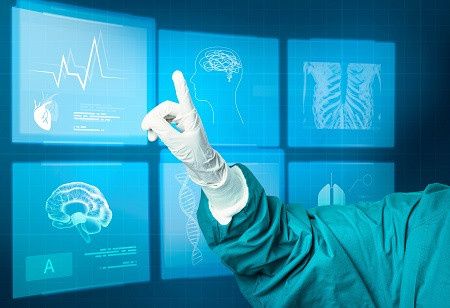
India arrived at the 79th World Health Assembly in Geneva not only as a participant but also as a model for the AI healthcare revolution. Union Minister JP Nadda used the platform to present the current picture of India. Today, India is fighting diseases like tuberculosis, while India’s AI healthcare ambitions are transforming how 1.4 billion people access healthcare.
JP Nadda described India during the meeting as “The bed of innovation and delivering interventions at scale with equity and accessibility. We have kept the health of women, children and adolescents at the heart of our service delivery and sustainable development.” The country has also recorded a significant dip in the maternal mortality ratio and infant mortality rate, surpassing global trends. He also highlighted that India was the first to launch a dedicated National Programme for Adolescents in 2014, reaching young people through facility-based, school-based and community-based interventions across the country.
During a bilateral meeting with Helen Clark, Board Chair of the Partnership for Maternal, Newborn and Child Health (PMNCH), JP Nadda reflected on India’s association with the organisation since 2005. He also announced that India’s annual grant contribution of USD 2 million is currently processed.
Also Read: The Future of MedTech in India: Meeting Tier-2 and Tier-3 Needs
India’s most compelling argument at the Geneva Summit was not its policy ambitions but its execution. Under the National Tuberculosis Elimination Programme and the TB Mukt Bharat Vision, India has undertaken one of the world’s largest screening and early detection campaigns. The campaign has deployed active house-to-house outreach teams, mobile screening units and community-level drives targeting high-risk populations.
India has also scaled the modern diagnostics infrastructure for TB and lung diseases. Molecular testing platforms, digital chest X-ray services, AI-assisted interpretation tools, handheld screening devices, and decentralised testing systems were extensively deployed to reduce diagnostic delays, especially in remote and underserved areas.
At the centre of this initiative is the TB Mukt Bharat App, featuring ‘Kushi’, an AI-enabled multilingual chatbot. It provides real-time guidance on symptoms, patient entitlements, and nearby diagnostic facilities, even on entry-level smartphones. This shows that India is not just building AI healthcare tools for urban hospitals, but also for rural and underserved communities. JP Nadda commented on the mission’s goal as, “Innovation must serve equity and technology must reach the last mile.”
Beyond tuberculosis, India is pushing hard to integrate AI in healthcare. India has launched the Strategy for AI in Healthcare (SAHI) during the India AI Impact Summit earlier this year. This initiative was described as the first comprehensive AI healthcare strategy from the Global South.
The reliability and fairness of this platform were ensured by developing the Benchmarking Open Data Platform for Health AI (BODH). It evaluates AI tools using real-world datasets across diverse populations speaking 22 official languages and experiencing varying levels of healthcare access.
The minister also warned that AI deployment in healthcare should be guided by ethical oversight. He remarked that the future of AI in healthcare would be shaped not by algorithms alone, but also by collective human choices. Referring to Prime Minister Narendra Modi’s vision, he said India believes not just in “Artificial Intelligence” but in “All-Inclusive Intelligence,” and called for ensuring that AI becomes a force for global good.
Reinforcing India’s global outlook in healthcare, India is deepening its partnership with the US. Under the India-US Initiative on Critical and Emerging Technology (iCET), both nations are expanding cooperation in biotechnology, nuclear medicine, and healthcare technology. Joint research programmes would be organised between India's Department of Biotechnology and the US National Science Foundation, targeting innovation in bio-manufacturing, cancer diagnostics, radiopharmaceutical development, and advanced therapeutics.
The partnership signals that India's healthcare ambitions are no longer confined to solving domestic challenges; they are increasingly being shaped through global collaboration.

.jpg)
