India Pharma Outlook Team | Friday, 13 November 2026
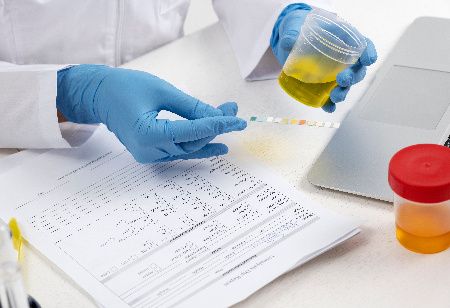
A urine cancer risk test based on molecular biomarkers may help identify people at elevated risk of developing multiple cancers before symptoms appear.
Its use in India will depend on clinical validation and the ability to manage false-positive results.
A study of 5,436 asymptomatic adults in the Netherlands found that a urinary glycosaminoglycan score was associated with cancer risk over five years.
Targeted screening of high-risk participants could identify 54 percent of subsequent cancers, with a 17 percent false-positive rate.
AIIMS radiation oncologist Dr Abhishek Shankar said, “Large, multicentric studies in Indian populations are needed” to establish accuracy and cost-effectiveness.
Also Read: Sterile Injectable CDMO in India: Manufacturing, Fill-Finish, Technology & Regulatory Guide 2026
Published in Cancer Epidemiology, Biomarkers & Prevention, the study examined urinary glycosaminoglycans (GAGs), molecules associated with changes in the body's extracellular matrix.
Researchers measured three chondroitin sulphate disaccharides using mass spectrometry and combined the results into a GAGome score.
The analysis included 827 participants who developed cancer within five years and 4,609 controls from the Dutch Lifelines cohort.
The observed five-year cancer risk varied across four categories:
A standard deviation increase in the score was associated with a 66 percent higher cancer risk.
While the urine cancer risk test offers potential for targeted screening, false positives could create additional pressure on diagnostic infrastructure. People classified as high risk despite remaining cancer-free may undergo further investigations, including imaging and other diagnostic procedures.
This could increase screening costs and patient anxiety, particularly if testing is introduced without clear follow-up protocols.
The researchers estimated that targeting the high-risk category could identify 54 percent of subsequent cancers, including 54 percent of in-situ carcinomas. However, these findings demonstrate risk prediction rather than confirmed cancer diagnosis.
The study was conducted using a Dutch population, making Indian clinical validation essential before considering wider applications. Dr Abhishek Shankar of AIIMS highlighted differences in genetic backgrounds, risk factors and cancer patterns between populations.
India would need to establish:
Consequently, the urine cancer risk test represents a potential addition to personalized cancer risk assessment, rather than an immediately available screening solution.