
India Pharma Outlook Team | Wednesday, 17 June 2026
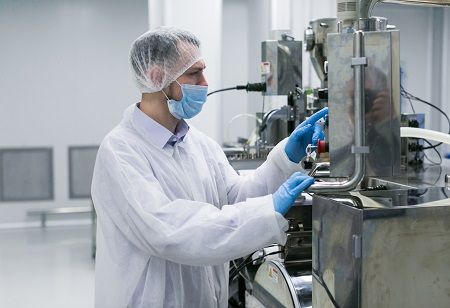
API prices are emerging as a key factor for India's pharmaceutical industry after a recent decline in the cost of active pharmaceutical ingredients (APIs).
The fall in API prices comes as tensions in West Asia have eased, reducing pressure on supply chains and bringing relief to drug manufacturers that were grappling with higher raw material costs over the past few months.
Industry experts said API prices have declined by around 5-10 percent from earlier highs, helping pharmaceutical companies improve cost efficiency and protect profit margins. The development is expected to support both API manufacturers and formulation companies, especially those dependent on imported raw materials and chemical intermediates.
The pharmaceutical sector had faced significant challenges earlier due to geopolitical tensions in West Asia. The conflict had disrupted supply chains, increased freight expenses, and pushed up the prices of several key chemicals and intermediates used in drug production.
With the situation showing signs of improvement, the market is witnessing a gradual correction in raw material costs. Industry executives noted that lower crude oil prices have also contributed to easing cost pressures, as several pharmaceutical inputs are linked to petrochemical products.
The decline in input costs comes at a crucial time for the industry, which has been managing pricing pressure in several global markets while dealing with fluctuating raw material expenses.
Also Read: Indian CDMO 2.0 Guide: Risk-Sharing and Hybrid Models
For pharmaceutical companies, raw materials account for a significant share of manufacturing expenses. When API costs rise, companies often struggle to maintain margins, especially in competitive generic drug markets where price increases are difficult to pass on to customers.
The recent decline in API prices is expected to provide much-needed breathing room. Companies may be able to improve operating margins, optimize production costs, and strengthen earnings performance in the coming quarters.
Market observers believe that firms with large export businesses could be among the biggest beneficiaries, as lower production costs can improve competitiveness in international markets.
Apart from raw materials, easing geopolitical concerns have also helped stabilize logistics and transportation costs. This could further support the sector's overall cost structure.
The easing of tensions has also influenced broader economic indicators. Lower crude oil prices and a relatively stronger rupee have improved sentiment across several sectors, including pharmaceuticals.
India remains one of the world's largest suppliers of generic medicines, but the industry continues to rely on imported APIs and intermediates for many products. As a result, any decline in API costs has a direct impact on manufacturing economics and profitability.
Industry participants expect the trend to continue if geopolitical conditions remain stable and commodity prices stay under control. While companies will continue monitoring global developments, the current environment offers a positive outlook for the sector.
Sun Pharmaceutical Industries is India's largest pharmaceutical company and one of the leading specialty generic drug manufacturers globally. The company operates across more than 100 countries and has a strong presence in specialty medicines, generics, and active pharmaceutical ingredients.
Dr. Reddy's Laboratories is a major Indian pharmaceutical company known for its generic medicines, biosimilars, and active pharmaceutical ingredients. The company serves markets across North America, Europe, India, and emerging economies.
Cipla is one of India's most recognized drug manufacturers with a strong focus on respiratory, cardiac, and anti-infective therapies. The company has a significant domestic and international presence and continues to expand its portfolio across key therapeutic segments.
.jpg)