
India Pharma Outlook Team | Thursday, 06 August 2026
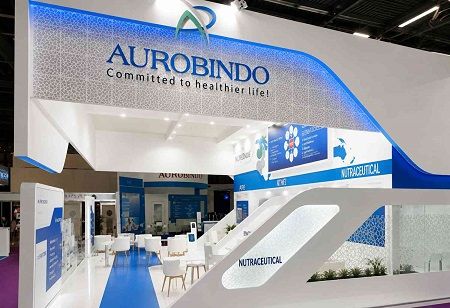
Aurobindo Pharma sets its sights on a USD 200 million revenue target from its TheraNym biologics venture by 2032.
The company inaugurated TheraNym, one of India's largest dedicated biologics contract manufacturing organizations, in Telangana.
Aurobindo now joins established Indian biologics leaders like Biocon, Dr Reddy's, and Zydus in a fast-growing biosimilars race worth billions.
This bold move intensifies pharma competition India has rarely witnessed, as biosimilars companies chase shares in a global biologics market set to expand through 2035.
Aurobindo builds TheraNym as a dedicated biologics CMO and ranks it among India's largest facilities of its kind. Telangana ministers D. Sridhar Babu and Damodar Raja Narasimha attend the inauguration, and MSD anchors the plant as its first major customer.
TheraNym Unit 1 runs 15 KL bioreactors, downstream processing lines, aseptic fill-finish systems, and quality-control labs. Aurobindo pairs this with Unit 2's 60 kL expansion, pushing projected combined revenue to USD 150–200 million by 2032. This capacity jump moves Indian biologics manufacturing into a new bracket and marks Aurobindo's shift from low-margin generics toward high-value biologics.
Also Read: Pharmaceutical 4.0: Redefines Compliance, Automation & AI
Aurobindo enters a field where rival biosimilars companies already fight hard for share. Biocon Biologics leads with more than 15 per cent of India's biosimilars market, while Intas, Dr Reddy's, Zydus, and Reliance Life Sciences hold 49 per cent combined.
Aurobindo's CuraTeQ arm counters with 15 biosimilars in its pipeline, an EMA nod for trastuzumab biosimilar Dazublys, and Health Canada's clearance for bevacizumab biosimilar Bevqolva. Dr Reddy's simultaneously advances rituximab and daratumumab biosimilars, and multiple firms chase pembrolizumab biosimilars ahead of patent expiry. This raises pharma competition India hasn't seen before in biologics, and Aurobindo must now convert its manufacturing scale into commercial wins.
India's biosimilars market carries real momentum behind Aurobindo's bet. The market expands from USD 1.5 billion in 2025 toward USD 8.1 billion by 2035, growing at a 17.8 per cent CAGR, per global market insights. The rising chronic disease rates and stronger government backing for biopharma manufacturing drive this surge.
Aurobindo also commits over USD 300 million to biologics capacity in Vizag to meet EU and US regulatory standards, and it targets 10 biosimilar launches by 2030. As Indian biologics output scales across multiple firms, the sector edges closer to challenging global players like Sandoz and Celltrion on cost and capacity.
.jpg)