
Fathimanoud, Correspondent, India Pharma Outlook

World Heart Day arrives on 29 September with a clear call to protect your heart every day through simple, sustained habits.
The World Heart Federation runs its campaign under the theme “Use Heart for Action,” urging individuals and communities to treat cardiovascular health as a daily priority rather than a future concern.
India carries a heavy share of the global burden, accounting for one-fifth of cardiovascular disease deaths, many of them among people under 70.
Nearly 18 million people die worldwide each year from heart-related causes, and about 85 percent of those deaths stem from heart attack and stroke.
This World Heart Day offers a practical moment to turn awareness into everyday protection.
India accounts for one-fifth of global cardiovascular disease deaths, according to a 2025 systematic review. The same review places the pooled prevalence of CVD among Indian adults at 11 percent, with urban areas recording 12 percent compared with 6 percent in rural areas.
Three patterns mark India’s cardiac profile: earlier onset (about a decade sooner than Western counterparts), silent presentation of high blood pressure or early coronary disease, and delayed diagnosis that often stretches months or years.
Urban professionals face elevated risk from sedentary work, irregular meals, chronic stress, and air pollution. Knowing the warning signs and controlling modifiable risks remains the most effective response.
Also Read: 10 Health Habits Doctors Swear By but Rarely Talk About
Cardiac procedures can generate large hospital bills within hours. Coronary angiography with angioplasty typically costs Rs 3.5–5 lakh, while coronary artery bypass grafting ranges from Rs 4.5–6.5 lakh and can reach Rs 7–8 lakh at premium centers. Valve replacements often exceed Rs 8–12 lakh and sometimes climb higher.
Adequate health insurance provides essential financial protection in these situations. A solid base policy of Rs 15–20 lakh, supported by a super top-up of Rs 40–50 lakh in metro cities, helps cover major hospitalization expenses.
Critical illness covers that specifically include first severe heart attack, open-chest bypass and open-heart valve surgery deliver an additional lump-sum payout that families can use for income loss, travel or long-term medication.
Policyholders should also verify room-rent limits, ICU and procedure sub-limits, waiting periods for pre-existing conditions, and whether nearby cardiac centers form part of the insurer’s cashless network.
Bajaj General Insurance believes that “Every Heart Beat Deserves Care.” Preparing the right cover before an emergency strikes ensures that medical decisions remain focused on the patient rather than on the cost of treatment.
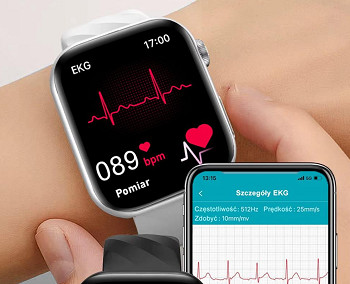 Technology has transformed heart health detection from occasional clinic visits into continuous, data-driven monitoring.
Wearable devices, AI-powered ECG analysis, and remote monitoring systems now identify cardiac abnormalities earlier and more accurately than traditional methods alone.
Modern smartwatches and wearable ECG devices track heart-rate trends, detect irregular rhythms, record single-lead electrocardiograms, and capture real-world data over days and weeks.
These tools reveal intermittent problems that a short hospital ECG often misses. Artificial intelligence further elevates detection accuracy.
AI algorithms analyze ECG patterns with high precision and flag subtle signs of atrial fibrillation, conduction delays, or structural heart disease that the human eye may overlook.
“Wearable devices and AI-assisted ECGs are helping us detect cardiac abnormalities much earlier than before. For individuals over 40, early identification of rhythm disturbances or heart rate trends allows timely intervention and significantly improves long-term outcomes,” says DIPANKAR DAS, Consultant – Interventional Cardiologist.
Researchers at Imperial College London have developed an AI system that processes a routine ECG in less than two seconds and identifies patients who may have hidden heart failure or valve disease. In testing, the system correctly flagged 81 percent of heart-failure cases and 90 percent of valve-disease cases.
“AI-driven diagnostics enhance accuracy in ECG interpretation, especially for subtle abnormalities. This does not replace doctors, but strengthens clinical judgment. In midlife patients, such precision helps us intervene before minor issues progress into major cardiac events,” says Dr. VIKAS GOYAL, Consultant – Interventional Cardiologist.
Remote cardiac monitoring completes the advance. Devices transmit heart rate, blood pressure, oxygen levels, and ECG data directly to clinicians, enabling continuous oversight without frequent hospital visits. This shift moves care from episodic check-ups to ongoing surveillance.
“Technology has shifted heart care from episodic monitoring to continuous oversight. Smart devices provide valuable trend data that supports preventive care. When used alongside clinical evaluation, these tools empower patients to engage more actively in their heart health,” says Dr. SNEHIL GOSWAMI, Consultant – Interventional Cardiologist.
Together, wearables, AI-assisted ECGs and remote monitoring systems give doctors and patients earlier warnings, more precise risk assessment and the ability to act before minor issues become emergencies.
Also Read: 10 AI-Powered Manufacturing Technologies Improving Pharma Production
 Evidence supports consistent daily habits over short-term fixes. These eight steps target the main modifiable risks:
Supplements, detox drinks, and superfoods do not prevent heart disease. Sustained habits over years deliver the real protection.
Any chest symptom accompanied by sweating, breathlessness, or arm pain requires emergency care. Other red flags include:
Also Read: World Alzheimer's Day 2026: Why Early Diagnosis Matters More than Ever
P. D. Hinduja Hospital & Medical Research Centre marks World Heart Day 2026 by launching Mumbai’s first dedicated Heart Failure Clinic at its Mahim unit. The clinic, headed by Dr Kaushal Pandey, Consultant Cardiovascular Surgeon, offers coordinated multidisciplinary care, including advanced Left Ventricular Assist Device (LVAD) therapy for eligible patients with advanced heart failure.
Mr. Gautam Khanna, CEO, P. D. Hinduja Hospital & Medical Research Centre, said, “At P. D. Hinduja Hospital, our focus has always been on advancing specialised care while encouraging timely action for better heart health. On the occasion of World Heart Day, the launch of our first-of-its-kind dedicated Heart Failure Clinic in Mumbai marks an important step in this direction, bringing together multidisciplinary expertise and advanced treatment options, including LVAD therapy. Alongside this, our ‘Cancel the Kal’ initiative takes the message of timely heart care beyond the hospital and into the community, encouraging people to move beyond the tendency to postpone their health and take action today. Together, these efforts reflect our commitment to advancing treatment, promoting timely care and improving the overall quality of life for patients.”
Dr. Kaushal Pandey, Consultant - Cardiovascular Surgeon, P. D. Hinduja Hospital & Medical Research Centre, said, “Heart failure is a progressive condition that may require increasingly specialised care as the disease advances. Our first-of-its-kind dedicated Heart Failure Clinic brings together a multidisciplinary team to provide comprehensive and individualised care based on each patient’s condition. For eligible patients with advanced heart failure, LVAD therapy offers an important option for mechanical circulatory support, with the potential to improve functional status and quality of life. Early assessment and timely intervention are critical to identifying the appropriate treatment pathway and ensuring continuity of care.”
The hospital also runs the interactive ‘Cancel the Kal’ public awareness installation at Chhatrapati Shivaji Maharaj Terminus Metro Station, urging people to stop postponing heart health and act today.
World Heart Day underscores that protecting the heart is a daily practice. The eight steps above, combined with timely screening and specialized care when needed, give every reader a clear path to reduce risk and respond early.
Technology now supports earlier detection, while adequate insurance and advanced clinics ensure that treatment remains accessible when intervention becomes necessary. Sustained habits, awareness of warning signs, and proactive health decisions remain the strongest defence against cardiovascular disease. Taking action today protects not only the heart but also the years of healthy living that follow.
1. How do modern smartwatches and wearables help in detecting heart conditions early?
Modern smartwatches and wearable ECG devices track heart-rate trends, detect irregular rhythms, and record single-lead ECGs over days or weeks. This can help identify intermittent cardiac abnormalities that a short hospital ECG may miss.
2. What is the official theme for World Heart Day 2026?
The World Heart Federation’s 2026 campaign theme is “Use Heart for Action,” encouraging individuals and communities to make cardiovascular health a daily priority.
3. Can a person have severe heart disease without showing any symptoms?
Yes. India’s cardiac profile includes silent presentations of high blood pressure and early coronary disease, along with delayed diagnosis.
4. What are the key early warning signs of a heart attack?
Key warning signs include chest discomfort with sweating, breathlessness or arm pain, as well as pain spreading to the jaw, neck or back, sudden breathlessness, cold sweating, nausea, dizziness and palpitations.
5. What simple lifestyle habits can help prevent heart disease?
Regular physical activity, blood-pressure and cholesterol control, quitting tobacco, managing diabetes, eating a heart-healthy diet, getting adequate sleep, managing stress and undergoing regular cardiac screening can help reduce modifiable cardiac risks.
Fathimanoud is a Correspondent with experience covering the manufacturing and pharmaceutical sectors. She has written several articles on the pharma and manufacturing industries, with a particular focus on pharmaceutical developments and industry updates.
.jpg)


, CDSCO.jpg "Fostering a Quality Culture in the Pharmaceutical Industry")