
Fathimanoud, Correspondent, India Pharma Outlook
The Biosecure Act and broader geopolitical tensions drive Western pharmaceutical companies to audit supply chains and sign long-term contracts with Indian CDMO hubs. Firms treat this shift as a core element of their China+1 or Alt-China risk-mitigation strategies.
They focus on supply-chain resilience, capacity readiness, and alignment with Western regulatory standards rather than short-term cost savings alone. Companies actively evaluate Indian partners for their ability to deliver consistent quality, protect intellectual property, and maintain reliable supply.
Indian facilities that already meet CGMP expectations and demonstrate strong data integrity practices gain preference. The emphasis stays on business continuity and reduced concentration risk.
"Despite the US softening its stance recently, we believe that the outlook for Indian CDMO should not change much as companies across the globe are increasingly looking to adopt the China+1 strategy and India looks poised to provide the best alternative," said Prathamesh Masdekar, Research Analyst at StoxBox.
Indian CDMOs respond by expanding capacity and strengthening compliance systems. They position themselves as credible alternative sources with genuinely different risk profiles. Global sponsors seek second or third sources that understand FDA and EU-GMP requirements and can handle complex, high-value molecules.
India’s structural advantages in talent, cost, and regulatory familiarity help it meet this demand without simply replicating large-volume chemical manufacturing models. The result is a steady flow of new contracts and technology transfers. Companies that prepare manufacturing readiness early and maintain transparent quality systems capture the largest share of this redirected work.
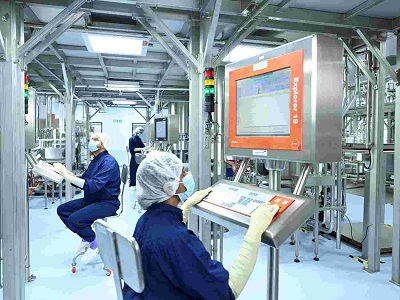
The Indian pharmaceutical ecosystem evolves from a powerhouse of generic small molecules into a global hub for complex biologics and next-generation modalities. Globalsupply-chain diversification and domestic policy support accelerate this shift. Top-tier Indian firms and CDMOs construct state-of-the-art infrastructure across four high-value frontiers;
India already ranks as a global heavyweight in biosimilar production. Leading firms now scale this capability for heavily regulated markets through integrated lab-to-market infrastructures.
“Biocon has entered FY27 with a clear focus on translating our strategic investments into sustainable growth. A favourable policy environment for biosimilars together with our expanded manufacturing capabilities in the US reinforce our confidence in the long-term opportunities across North America, our biggest market,” said Kiran Mazumdar-Shaw, Executive Chairperson, Biocon.





, CDSCO.jpg "Fostering a Quality Culture in the Pharmaceutical Industry")