
India Pharma Outlook Team | Wednesday, 08 July 2026
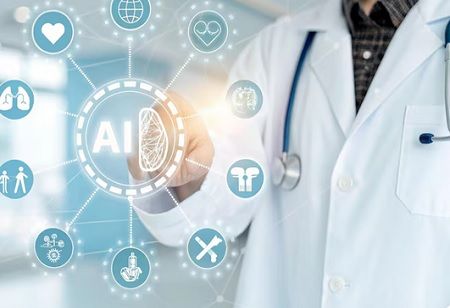
AI healthcare growth is turning India into one of the world's biggest centers for medical technology innovation.
The country's strong engineering talent, growing healthcare ecosystem, and focus on digital solutions are helping global companies develop advanced healthcare technologies from India.
As AI healthcare growth continues to gain momentum, India is no longer seen only as a technology outsourcing destination. Instead, it is becoming a key location where global healthcare solutions are designed, tested, and improved for patients across the world.
A major example of this shift comes from Philips, which revealed that more than 85 percent of its AI-powered healthcare solutions are now being developed in India. The company believes India's combination of skilled professionals and healthcare expertise is helping shape the future of medical innovation.
India's role in healthcare technology has expanded rapidly over the past few years. The country now contributes to developing AI tools that improve patient care, support doctors, and help hospitals work more efficiently.
According to Philips, India has become a global innovation hub because of its strong pool of software engineers, AI researchers, healthcare professionals, and clinical experts. This combination allows companies to create solutions that can meet healthcare needs in both developed and emerging markets.
Some of the key areas where artificial intelligence, healthcare innovation, and digital health are making an impact include:
These technologies are helping healthcare providers improve efficiency while delivering better patient outcomes.
Patrick Mans, Global Head of Data and AI at Philips, said artificial intelligence is already delivering measurable gains in healthcare rather than remaining a future promise. "Our Future Health Index shows that 71 percent of clinicians report improved workflow efficiency through AI, while nearly half say it has increased their capacity to see more patients," he said. He added that AI is helping automate routine administrative work and assist clinicians in interpreting medical images, while clinical decisions continue to remain with doctors,” she said.
Also Read: The Strategic Role of Regional Corridors in Future-Ready MedTech
India continues to face challenges such as a shortage of radiologists and unequal access to quality healthcare, particularly in smaller cities and rural areas. AI-powered diagnostic tools can help doctors detect diseases earlier and reduce the time needed to analyze medical images.
Instead of replacing medical professionals, AI is designed to support them by handling repetitive tasks and providing additional clinical insights. Doctors remain responsible for diagnosing patients, making treatment decisions, and delivering care.
This approach allows healthcare systems to manage growing patient numbers while maintaining high standards of medical practice.
India's growing contribution to global healthcare is creating benefits that extend beyond its borders. As more international healthcare companies expand their research and development operations in the country, India is becoming a preferred destination for building advanced medical technologies.
Some of the biggest factors driving this growth include:
With companies like Philips placing greater trust in India's innovation capabilities, the country is strengthening its position as a global leader in healthcare technology. The shift also marks an important change in India's global image—from providing technology services to creating cutting-edge healthcare solutions that improve lives worldwide.
As investments in healthcare technology continue to grow, India is expected to play an even bigger role in shaping the future of AI-powered healthcare through innovation, research, and scalable digital solutions.

.jpg)