
India Pharma Outlook Team | Monday, 12 October 2026
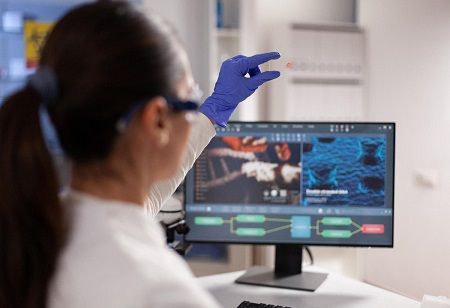
AI drug discovery funding in India is gaining momentum as the government backs domestic innovation aimed at advancing new drug candidates towards clinical development.
The Technology Development Board (TDB) has signed an Rs 86 crore funding agreement with Bengaluru-based Peptris Technologies for its artificial intelligence - led drug discovery program.
The support forms part of a Rs 172 crore project designed to advance four drug candidates through preclinical development over three years.
The agreement highlights an important challenge for India's pharmaceutical sector: translating computational discoveries into experimentally validated drug candidates that can progress towards human trials.
It also comes amid broader efforts to strengthen domestic pharmaceutical research and development and support innovation beyond generic drug manufacturing.
The agreement will support Peptris's VIGOR program, which aims to advance four AI-discovered drug candidates from Technology Readiness Level (TRL)-4 to TRL-6.
The funding is intended to help the company progress through development and validation activities rather than simply identify promising molecules using computational tools.
The program covers candidates targeting multiple therapeutic areas, including:
The three-year project will focus on advancing these candidates through preclinical development, including the work required to establish their suitability for subsequent clinical evaluation.
The distinction is important because AI can help researchers identify and prioritize molecules, but computational predictions alone cannot establish a drug's safety or effectiveness.
Laboratory validation, preclinical studies, and regulatory preparation remain necessary before a candidate can enter human clinical trials.
Also Read: Why India's Pharma Manufacturing Boom Needs More Women in Core Plant Operations
For pharmaceutical companies, moving from computational discovery to preclinical validation is a critical stage in drug development.
Promising molecules must undergo further investigation to establish their biological activity, assess potential toxicity, and generate evidence needed for regulatory review.
The Peptris agreement therefore addresses a key financing requirement in AI- drug discovery: supporting the resource-intensive work that follows the initial identification of a potential drug candidate.
Progress towards TRL-6 would represent a development milestone, but it would not mean that the candidates have completed clinical trials or received marketing approval.
Their eventual progress will depend on experimental results, safety assessments, regulatory decisions, and subsequent clinical evidence.
For India's pharmaceutical research ecosystem, support at this stage could help domestic technology companies advance their discoveries towards development milestones that may attract further investment or potential industry partnerships.
The Peptris agreement comes against a wider policy push to strengthen pharmaceutical and medical technology innovation.
The Department of Pharmaceuticals' Promotion of Research and Innovation in Pharma MedTech Sector (PRIP) scheme is another initiative intended to encourage research, innovation and industry participation in the sector.
The broader Research, Development and Innovation (RDI) initiative also seeks to strengthen private-sector research and development in strategic and emerging technologies.
These programs have different mandates and funding mechanisms, but together they illustrate the growing policy emphasis on domestic innovation.
For pharmaceutical companies and biotechnology startups, access to development funding can be particularly important because drug discovery involves long timelines, uncertain outcomes, and substantial expenditure before a product generates revenue.
Although public funding can help advance research, AI-generated discoveries must still demonstrate their value through rigorous scientific and clinical evaluation.
Key challenges include:
The Rs 86 crore agreement provides Peptris with support for a defined development program, but the ultimate outcome will depend on the performance of its drug candidates.
For India’s pharma sector, AI drug discovery funding will be judged less by how many molecules it surfaces than by how many make it through validation and clinical trials to reach the market.

.jpg)

