India Pharma Outlook Team | Thursday, 29 October 2026
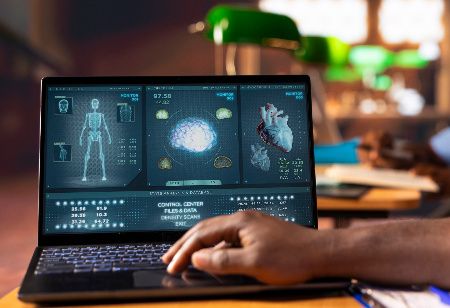
AI stroke triage is gaining attention as Apollo Hospitals introduces an AI-assisted stroke care program aimed at strengthening time-critical stroke management.
The development highlights the growing role of artificial intelligence in helping clinicians assess patients and make faster decisions during medical emergencies.
However, faster identification of a stroke does not automatically translate into faster treatment.
Patients may still face delays in ambulance transfers, specialist consultations, imaging workflows and access to appropriate interventions.
Apollo’s initiative provides an opportunity to examine how AI-supported assessment fits into the wider stroke treatment pathway, and what hospitals must address to turn faster diagnosis into timely clinical action.
Stroke care depends on rapid assessment because certain treatments are effective only within defined time windows. AI-powered brain imaging can help clinicians identify signs of a stroke, assess abnormalities and prioritize urgent cases.
By supporting image interpretation and clinical decision-making, these systems may help reduce avoidable waiting time during the diagnostic process.
However, AI stroke triage addresses only part of the emergency pathway. Once a stroke is suspected, clinicians must determine its type, assess the patient's condition and establish eligibility for appropriate treatment.
Ischaemic strokes, caused by blocked blood vessels, may require clot-dissolving medication or mechanical thrombectomy, while haemorrhagic strokes involve bleeding and require different management.
AI-assisted stroke care can therefore support more efficient coordination between imaging teams, neurologists and emergency physicians.
Also Read: World Stroke Day: Tobacco Dependence is India's Silent Stroke Killer
Even when AI stroke diagnosis accelerates image interpretation, other operational barriers can delay treatment.
Hospitals also need clear protocols for escalating suspected stroke cases. Faster alerts will have limited impact if clinicians cannot review results promptly, treatment teams are unavailable or patients must be transferred to another facility.
One important measure is door-to-needle time, which tracks the interval between a patient's arrival at the hospital and administration of intravenous thrombolysis in eligible patients.
For patients requiring mechanical thrombectomy, teams also need to minimise delays to endovascular treatment. Effective AI stroke triage must therefore be assessed alongside the complete stroke treatment pathway.
Assessing the impact of AI-assisted stroke care requires more than recording how quickly software analyses a scan.
Hospitals should examine clinical and operational indicators before and after implementation, while accounting for differences in patient severity and treatment eligibility.
Relevant measures include:
These measures could help establish whether AI stroke triage delivers benefits beyond faster assessment.
For hospitals serving areas with limited specialist access, the evaluation should also consider staffing, imaging infrastructure, training requirements and the affordability of implementation.
Apollo's program consequently raises a broader question for healthcare providers: can AI-assisted assessment be translated into a consistently faster, coordinated and clinically effective response?