World Stroke Day: Tobacco Dependence is India's Silent Stroke Killer

Fathimanoud, Correspondent, India Pharma Outlook
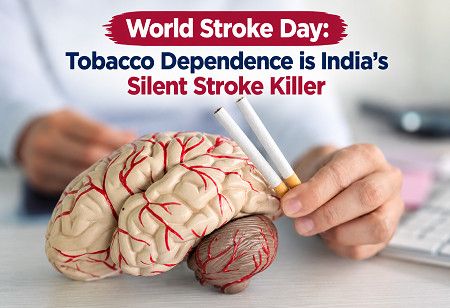
 World Stroke Day: Tobacco Dependence is India's Silent Stroke Killer India Pharma Outlook

A stroke is a critical medical emergency where every minute matters. When blood supply to the brain is interrupted, millions of brain cells begin to die each minute, drastically increasing the risk of long-term disability or life-threatening complications.

In such emergencies, immediate intervention by those present serves as the first line of defense before emergency services arrive.

World Stroke Day takes place every year on 29 October to bring global attention to stroke, its prevention, treatment and long-term impact.

The World Stroke Organization established the day in 2006, following the development of the World Stroke Proclamation, and has since used it as a focal point for global awareness and action.

In India, the stakes run especially high. Stroke incidence continues to climb, cases strike at younger ages than in many high-income countries, and a large share of survivors face permanent disability that reshapes entire families.

Amid the familiar risk factors of high blood pressure and diabetes, one driver remains chronically under-addressed: tobacco dependence. This World Stroke Day, the message must be clear that India cannot bend its rising stroke curve until it confronts tobacco dependence with the same urgency it applies to emergency care.

Also Read: India's 30% Anti-Cancer Drug Margin Cap: What It Means for Pharma
What Exactly Is a Stroke?

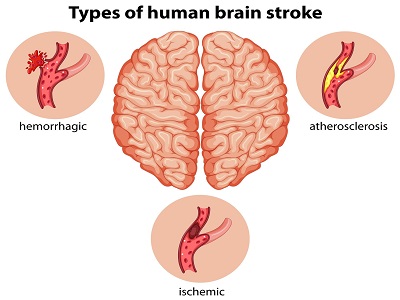
A stroke occurs when blood flow to part of the brain becomes blocked or when a blood vessel in the brain bursts. An ischaemic stroke occurs when a clot or other blockage prevents blood from reaching brain tissue, while a haemorrhagic stroke occurs when a blood vessel ruptures and causes bleeding in or around the brain.

In either case, the affected brain cells lose their supply of oxygen and nutrients, which can cause damage within minutes and lead to problems with movement, speech, vision, memory or other functions depending on the area affected.

Speed decides everything. Every minute without restored blood flow destroys roughly two million neurons. The lasting consequences range from paralysis and speech loss to cognitive decline and personality change.

World Stroke Day exists precisely to drive home this dual reality that stroke can strike anyone, yet timely recognition and action can dramatically improve outcomes. Public understanding of both the danger and the possibility of better recovery remains essential.

The Scale of the Crisis – Global & Indian Burden

Stroke ranks as one of the biggest health challenges on the planet. It is the second leading cause of death among non-communicable diseases and the third leading cause of death and disability combined worldwide.

More than 12 million people have a stroke every year, and the number of strokes, stroke deaths and people living with stroke has risen sharply since 1990. The World Stroke Organization estimates that incident strokes have increased by about 70% and stroke deaths by about 44% between 1990 and 2021.

India sits among the countries hardest hit. Stroke incidence here is estimated at 108–172 cases per 100,000 people each year, with a one-month case fatality rate of 18–42%. Stroke also affects people at younger ages in India than in many high-income countries, and a large share of survivors are left with lasting disability that changes daily life for the whole family. Many of the underlying risk factors are modifiable, and one of the most important and most overlooked is tobacco use in all its forms.

Also Read: World Heart Day 2026: 8 Ways to Protect Your Heart Every Day

Socio-Economic Cost That Families Actually Feel

The impact of stroke goes well beyond the hospital. The global cost of stroke is estimated at 0.66% of the world’s GDP.

These costs include emergency care, hospital stay, medicines, rehabilitation and long-term care, as well as income lost when people can no longer work. For Indian families, the effects prove wide-ranging and often devastating:

  • Loss of Income: Stroke can strike people in their working years. Survivors may be unable to return to work or may need to reduce their hours, while family members often step back from work to provide care.
  • Out-Of-Pocket Costs: Where health insurance and public support are limited, the costs of emergency treatment, scans, medicines, rehabilitation and home care may fall on the family and can push households into financial hardship.
  • Long-Term Disability: Many survivors live with weakness, speech difficulty, memory or thinking problems and need help with everyday activities, sometimes for years.
  • Caregiver Strain: Caring for a stroke survivor can take a physical, emotional and financial toll on spouses, children and other relatives.
  • Emotional Impact: Stroke is often followed by low mood, anxiety and social isolation, for survivors and for those who care for them.

Delayed care and uncontrolled risk factors such as high blood pressure and tobacco use drive most of this avoidable cost. Early recognition, fast treatment and aggressive prevention remain the most effective ways to reduce both the human and the economic burden of stroke.

The Tobacco Connection – India’s Overlooked Stroke Risk

India continues to face a significant burden of stroke and cardiovascular disease, making the prevention of modifiable risk factors a public-health priority. Tobacco use remains a major preventable contributor to this burden.

On World Stroke Day, experts are calling for a stronger, more comprehensive approach to tobacco control that moves beyond awareness campaigns to address nicotine dependence, improve access to cessation support and strengthen prevention efforts.

A 2024 analysis of Global Burden of Disease data estimated that tobacco use contributed to 12% of stroke deaths in India, while high systolic blood pressure accounted for 56%. These findings highlight the need to address tobacco use alongside other major risk factors as part of a broader strategy to prevent stroke and cardiovascular disease.

The scale of the problem is staggering. The World Health Organization estimates that tobacco use accounts for nearly 1.35 million deaths annually in India. The country’s tobacco burden extends far beyond cigarettes to bidis and smokeless products such as khaini, gutkha and zarda. This diversity calls for prevention and cessation strategies that reflect different patterns of tobacco use and make quitting support accessible to people across communities.

Simple “quit” messaging repeatedly fails because nicotine dependence is powerful. Nicotine is highly addictive, while the combustion of tobacco releases toxic chemicals associated with serious cardiovascular harm.

Tobacco dependence therefore requires a combination of prevention, effective cessation support, public education and continued scientific research to inform public health decisions.

Dr. Yashpal Singh Bundela, Director of Neurosurgery and Neurosciences at Medanta Super Speciality Hospital, Noida, put the challenge bluntly: “We cannot keep telling people to quit and assume the problem is solved. Nicotine dependence can make quitting difficult, even when people understand the health risks. With the burden of tobacco-related diseases continuing to pose a serious public-health challenge, we need to act now. Helping people stop smoking must remain the priority, supported by practical, sustained cessation services and access to clinically established aids such as nicotine replacement therapy (NRT). Change will not be easy, but we must start somewhere. Moving beyond awareness to accessible, evidence-based support is an essential step towards reducing tobacco use and preventing related diseases.”

Also Read: 10 Health Habits Doctors Swear By but Rarely Talk About

Learning from The Japanese Experience & Caution

International experience can offer useful lessons, provided India interprets the data carefully. A nationally representative Japanese study published in 2026 found that cigarette use among people aged 15–64 declined from 20.7% in 2017 to 12.3% in 2025, while heated tobacco use increased from 5.3% to 11.7%. Overall tobacco-product use declined more modestly, while dual use increased.

These findings describe changing patterns of tobacco use but do not establish that the rise in heated tobacco use caused cigarette smoking to decline or reduced long-term cardiovascular and stroke risks.

They underline the importance of examining international experiences carefully and evaluating their public-health implications in the Indian context rather than assuming any new product automatically delivers net benefit.

Dr Vikas Mittal, Director, Department of Respiratory Medicine, C K Birla Hospital, Punjabi Bagh, reinforced the need for open, evidence-driven thinking: “Improving public health requires us to look beyond conventional approaches to tobacco control and learn from the experiences of countries that have made progress in reducing tobacco use. India must have an open, evidence-based discussion on whether a complete ban on tobacco or newer, more effective approaches to prevention and cessation could deliver better public-health outcomes. The priority must be to reduce tobacco consumption, prevent young people from starting and make it easier for people who use tobacco to quit. Ultimately, our approach should be guided by one measure: what works best to protect public health and reduce the burden of tobacco-related diseases, including stroke and cardiovascular disease.”

Also Read: The Hidden Health Risks of Sitting All Day

What India Must Do Now – Clear Action Agenda

Reducing stroke and cardiovascular risk on World Stroke Day and every day requires sustained action on tobacco use alongside other established risk factors, particularly high blood pressure. India must:

  • Treat nicotine dependence as a medical issue, not merely a willpower issue.
  • Expand access to evidence-based cessation services, including nicotine replacement therapy.
  • Address all forms of tobacco — cigarettes, bidis, gutkha, khaini and zarda — rather than focusing only on smoked products.
  • Keep high blood pressure control and other risk-factor programs running in parallel.

Strengthening cessation support, preventing tobacco initiation and learning from evidence-based public-health interventions can help India build a more effective response to tobacco-related disease and protect the health of future generations.

Final Takeaway

Every minute still matters when a stroke strikes. World Stroke Day exists to remind us of that urgency and of the power of prevention. Reducing tobacco use is no longer optional if India wants to bend its stroke curve. Tobacco dependence remains one of the most powerful, yet most addressable, drivers of stroke deaths and disability in the country.

Editorial Note: This article is based on research and expert discussions for public awareness. It is not a substitute for medical advice. Seek emergency medical care immediately if stroke symptoms appear.

About the Author

Fathimanoud is a Correspondent with experience covering the manufacturing and pharmaceutical sectors. She has written several articles on the pharma and manufacturing industries, with a particular focus on pharmaceutical developments and industry updates.


on the deck

Most Viewed

Addressing Antimicrobial Resistance (AMR) Through Collaborative Efforts Fostering a Quality Culture in the Pharmaceutical Industry Advancements in Computer-Aided Drug Design for Pharmaceutical Research Why India is Gaining Popularity for Clinical Trials The Future of Kidney Transplants in India Usage of Conversational AI in the Health Insurance Sector Strategies for India to Reduce Its API Dependence on China Business Impact of USFDA Approvals on Indian Pharma Companies Innovative Strategies for Expanding Access to Life Saving Healthcare Solutions Badhal Village Crisis: How Rapid Diagnostics Could Have Saved Lives Why India is a Hotspot for Biotech Startups? Why Adapting Flexibility in IP Rights will Drive Generics Market Meeting the Challenges of High-Potency API (HPAPI) Production Impact of Human Factors Engineering on Medical Device Safety The Future of Pharma: Embracing Continuous Manufacturing The Role of Orphan Drugs in Treating Rare Diseases Emerging Technologies Shaping the Future of Drug Formulation Strategies for Optimizing Pharmaceutical Supply Chain Efficiency The Future of Medicine: Harnessing the Power of RNA-based Therapeutics AI in Medicine: Unmasking the Myths and Embracing the Transformative Reality Cycle Pharma Acquires Banner Life Sciences WHO's First-ever Global Summit on Traditional Medicine Starts in Gujarat The Importance of Data Integrity in Pharmaceutical Quality Control DCGI in Talks with Stakeholders to Develop a Standardised Web Platform to Assure Drug Quality and Patient Safety Glenmark Pharmaceuticals secures ANDA Nod for 0.03 per cent Tacrolimus Ointment Streamlining Laboratory Operations with a Modern LIMS Healthtech Start-up Suraksha QR Ropes In Actor Murali Sharma as its Brand Ambassador Unlocking the Potential of Pharmacogenomics: Enhancing Drug Safety and Efficacy The Impact of Pharmaceutical Testing on Drug Development India has Identified Three Health Priorities to Strengthen Global Health Infrastructure, says WHO National Health Authority launches 100 Microsites Project to Speed Up Digital Health Adoption India Should Partner with Australia to avail PBS for the Selection, Listing, and Pricing processes of exported drugs, says Sudarshan Jain Zydus Lifesciences India More than Doubles Profit Due to Increased Sales in the US India Triples Organ Donations over Past Decade says Union health minister Mansukh Mandaviya Advent Therapeutics Awarded $3 Million NIH Grant For Novel Neonatal Lung Therapy Three Pharma Marketing Strategies That Drive Sales Novartis Targets India's Rare Disease Market with 17 Clinical Programs UK Health Regulator approves GSK's Vaccine for the common respiratory virus RSV WHO Urges Increased Use Of Recommended Malaria-Fighting Tools Karnataka Budget Offered a Significant Boost to Health & Lifesciences Start-ups with Focus on Infrastructure & Innovation Three High Potential Moonshot Project Areas in Pharma CCI approves Bharat Biotech International-Eastman Exports deal How Biotech is Revolutionizing the Fight Against Cancer LifeCell and HaystackAnalytics ink strategic pact to scale-up TB whole genome sequencing pan-India Mankind Pharma IPO To Open On April 25 With A Price Fixed At Rs 1,026-1,080 Per Share US CDC Approves Second Omicron-Updated COVID Booster For Adults Three Trends that will Impact Pharmaceutical Industry in 2023 ModeX Therapeutics Commences Phase I EBV Vaccine Trial with Merck Designing Impactful Leadership and Talent Management Programs with Strategies for Success Novo Nordisk and Valo Health Partner to develop novel Treatments FOPE Calls for Extended Deadline for Schedule M Compliance Telix Pharma To Acquire ImaginAb to Boost Therapeutics and Innovation Roche Secures US FDA Approval for its Ultra-Sensitive ISH test Rappta Therapeutics and SpringWorks Partner on Molecular Glue Targeting PP2A Taro Pharma To Acquire entire stake in Antibe Therapeutics Innovent Biologics Secures Breakthrough Therapy Designation for IBI343 Emcure Pharma Launches Largest R&D Centre in Ahmedabad Zydus Bags USFDA Nod for Phase II(b) Trial to Optimize Usnoflast Dosage US FDA Approves Amgen's Lumakras-Vectibix Combo for KRAS G12C-Mutated mCRC Glenmark Pharma Unveils generic anticoagulant injectable emulsion Strides Pharma Bags USFDA Nod for OTC Acetaminophen-Ibuprofen Combo Tablets US FDA Lifts Hold on Sanofi's Trial to Make Cialis Available Over-the-Counter Hoth Therapeutics Expands Intellectual Property with New Patents Jaguar Health Starts POC Trial of Crofelemer for Rare Pediatric Disease MVID Pharma and Healthcare Sector Eyes Union Budget 2025 for Innovation Boost How Innovative Drug Formulations are Enhancing Treatment Outcomes Apollo and Mayapada Healthcare Unite to Boost Indonesia's Healthcare Novo Nordisk Reports Positive Phase 1b/2a Results for Amycretin Govt to Extend Schedule M Compliance Deadline for Drug Manufacturers to Dec Lupin Secures US FDA Nod for Ipratropium Bromide Nasal Solution ANDA Granules Pharmaceuticals Secures USFDA Nod for Key Generic Drug Bajaj Healthcare Bags DCGI Nod to Manufacture Pimavanserin API & Formulation Union Budget 2025: Healthcare Gets 9.78% Boost, Allocation Nears 1 Lakh Crore Metropolis & Roche Launch Self-Sampling HPV Test for Cervical Cancer Sigachi Industries Invests $1M in Hyderabad R&D Hub for API Innovation Pharma Testing Market Surges with Rising Demand for Biologics ISTH Releases Clinical Practice Guideline For Haemophilia Treatment Sanofi and Biovac Lead Polio Vaccine Manufacturing Capabilities Sun Pharma and Takeda Ink Pact To Market Gastrointestinal Drug Takeda and Ascentage Pharma Ink Option Agreement For Olverembatinib Enhancing Compliance through Effective Pharmaceutical Regulatory Affairs Strategies India poised to become a Global Hub for Clinical Trials: Exec SCHOTT Pharma Unveils Next-Gen Polymer Syringes for Enhanced Safety GSK's Jemperli Gains EU Nod for First-Line Treatment of Endometrial Cancer Union Health Secretary Urges Stronger Drug Regulations for Quality Control Telangana Govt Inks Landmark Deals to Propel Life Sciences and Job Growth R&D in Indian Pharma: Breakthroughs and Innovations in 2024 Dr. Reddy's Partners with Shanghai Henlius to Develop Cancer Drug Uniphar Expands Global Footprint with Three New Facilities 74th Indian Pharmaceutical Congress 2025 Opens Registrations AGC Pharma Expands HPAPI Capabilities in Barcelona to Meet Growing Demand The Future of Genomic Sequencing: Trends That Will Define the Next Decade Lexaria Bioscience Ethics Review Board Nod to Commence New GLP-1 Study Amitabh Kant Urges India to Focus on Innovation at BioAsia 2025 Government Enhances Research & Integration Initiatives in Unani Medicine Blind & Deaf individuals face Major Barriers to access Medicines: Report C-CAMP and PariSante Campus launched Indo-French Life Sciences Hub Jaguar Health Begins Pediatric Trial for Crofelemer in Short Bowel Syndrome Algiax Pharma Reports Promising Phase 2a Results for AP-325 Govt Bans 34 Antimicrobials for Use in Animals Pharmaceutical Procurement Strategies: How to Optimize Costs Personalized Medicine: Get Tailored Treatment Plans for You Now How to Bridge the Healthcare Gap in Emerging Markets with MedTech The Evolution of In-Vitro Diagnostics: Trends and Future Prospects Needle-Free Injection System: A Game Changer in Less Pain Vaccination How Global Capability Centers are Shaping the Future of Biometrics Building a Successful Pharma Brand in India: The Role of Scientific Communication Unlocking India's Innovation Potential in Pharma The Future of Green Chemistry in API Production Top 10 Pharmaceutical Recruitment Consultants - 2024 | Pharma Outlook Blockchain for Secure Pharmaceutical Supply Chains - 2025 & Beyond Mass Spectrometry in Biomarker Discovery for Early Disease Detection Iconovo and Lonza Team up to Advance Intranasal Biologic with ICOone Nasal Fetal Imaging to Cardiac Diagnosis: The Expanding Role of Ultrasound Balancing Innovation and Affordability in Medical Solutions for India Changing Landscape for LTBI and Syndromic Testing Methodologies How Advanced Training Methods can Enhance Patient Care Balancing Cost Efficiency and Compliance in Pharmaceutical Manufacturing LUB Urges Govt to Scrap Mandatory Lab Testing for Cough Syrup Exports Role of Optical Imaging in Early Cancer Detection and Treatment Hoth Therapeutics Unveils Promising Data for KIT-Targeting Therapy Pharmexcil Engages ASEAN Nations to Boost Pharma Trade Ties Fortis Partners with Teleflex for South Asia UroLift Training Anti-Infectives: How New Research is Shaping Infection Control Building Bridges for Sustainable Growth through Strategic Alliances in Ethical Pharmaceuticals Quality as the Cornerstone of Lab Solutions FDA Approves Roch's NSCLC Diagnostic Linked to Emrelis How Early Detection is Transforming Cancer Treatment in India Ensuring Data Privacy in Pharma World Enhancing Clinical Trial Supply Chain Resilience to Address Global Disruptions in India Cost-Effectiveness of Minimally Invasive Surgery in Outpatient Settings How Organic Synthesis is Accelerating Drug Discovery in Pharma Strategic finance for pharmaceutical innovation and stability Top 10 Teleradiology Service Providers - 2024 | Pharma Outlook Importance of Investing in R&D and Quality for Competitive Advantage in Eye Care Top 10 In Vitro Diagnostics Companies - 2024 | Pharma Outlook Phytopharmaceuticals: Driving Global Herbal Medicine Innovation Gender Gap in Healthcare: Why Women's Health Needs More Research Impact of Modern Technology on the Indian Life Sciences Sector Why Global Pharma Expects CDMOs to Be Ready for Joint Inspections The Role of Customizable Stent Grafts for Treating Complex Anatomies Nutraceuticals vs Pharmaceuticals: Complementary or Alternative in Chronic Disease Management? Top 10 Pharma CDMO Companies In India – 2023 | Pharma Outlook Leaping Towards Global Compliance with Revised Schedule M Meril Concludes TechVentory, Boosts AI-Driven Healthcare Supply Chains 10 Pharma Sector Revolutions in India Standardizing Medicine Labeling and Embracing Digital Transformation Creating a patient-centric healthcare ecosystem for all Biomanufacturing of Enzymes: A Sustainable Approach to Industrial Biotechnology Integrating CSR into HR Practices to Enhance Brand Reputation in Pharma Merck Launches Phase 3 Trial for Promising Dengue Vaccine V181 Breakthrough: Eye-Opening Healthcare Strategies Doctors Swear By on Doctor's Day 2025 Bristol Myers Squibb Reports Strong Phase 3 Results for Deucravacitinib trail Alcon Launches Innovative Daily Lenses Designed for Long-lasting Comfort Apisolex Excipient by Lubrizol Backs Phase I Drug Success FDA Approves Enflonsia to Prevent RSV in Infants with One Dose Biosimilars in India 2025 Market Trends, Growth Forecast & Opportunities How Regulations Are Shaping India's Medical Device Landscape Bharat Biotech Partners with GSK for Shigella Vaccine Development Eli Lilly Obesity Drug Shows 11.5% Weight Loss in 12 Weeks Laborate Pharmaceuticals: Illuminating Pathways Of Quality, Affordability Innovation In Healthcare Sun Pharma Bags CDSCO Approval to Produce Fexuprazan Hydrochloride Tablets The Fusion of Biology, Medicine, Health, and AI Glenmark Gets DCGI Nod to Launch Oncology Drug BRUKINSA in India Kyndryl Partners with Dr Reddys to Automate Global IT Operations How Robotic Assisted Surgery Is Redefining Precision in Kidney Transplants Top 10 Women Disruptors in Asia Pharmaceutical Industry

Editor's Guest

Related Articles

© 2026 India Pharma Outlook. All Rights Reserved.