India Pharma Outlook Team | Tuesday, 03 November 2026
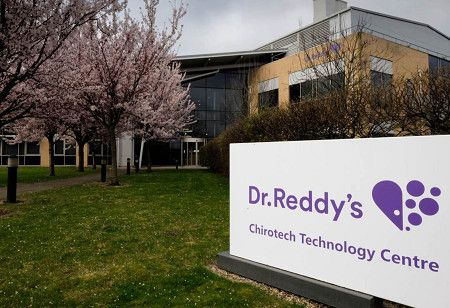
Dr Reddy’s Laboratories secures a major regulatory win as the USFDA grants tentative approval to its generic injectable lenacapavir for HIV prevention.
This milestone positions the Hyderabad-based company as a key player among the six manufacturers Gilead Sciences licensed to produce the long-acting medicine.
Lenacapavir delivers prevention through just two injections each year and targets access across 120 low- and middle-income countries under the voluntary license.
The approval under the FDA’s PEPFAR program marks an important step that could accelerate affordable HIV prevention beyond daily oral pills and help close persistent gaps in protection for people at risk.
Dr Reddy’s now holds the first tentative USFDA nod among the six generic makers licensed by Gilead. The medicine acts as a first-in-class capsid inhibitor that blocks HIV at multiple stages of its life cycle and shows no known cross-resistance to existing drug classes.
Clinical data demonstrate 100 per cent efficacy in preventing HIV acquisition in the PURPOSE 1 trial. This regulatory progress brings a twice-yearly option closer to people who need reliable prevention in the countries covered by the licence.
Also Read: India's 30% Anti-Cancer Drug Margin Cap: What It Means for Pharma
Daily oral pre-exposure prophylaxis demands consistent pill-taking that many people find hard to maintain. Lenacapavir changes that equation by requiring only two injections a year.
As Dr Neil Buddy Shah of CHAI notes, two injections a year of a product that is almost 100 per cent effective transform the prevention conversation.
Gilead granted royalty-free voluntary licenses in 2024 to six manufacturers, including Dr Reddy’s, to supply injectable lenacapavir at USD 40 per person per year across 120 countries. In September 2025, the company partnered with Unitaid, Wits RHI and CHAI to speed product development and regulatory pathways.
These arrangements aim to make a complex injectable available at a price far more accessible than branded versions in high-income markets. Affordability alone does not guarantee reach; procurement systems and delivery networks must also stand ready so the medicine reaches those who need it.
Tentative USFDA approval does not allow sales in the United States while patents remain in force. The assessment can, however, support regulatory reliance and procurement decisions in eligible countries. WHO prequalification and national approvals will still play essential roles.
Dr Reddy’s expects first supplies to reach people before the end of 2026, with broader rollout across the licence territories in 2027. Manufacturing capacity, consistent supply and health system readiness will determine whether the approval converts into real availability.
The nod validates Dr Reddy’s expertise in developing and manufacturing complex long-acting injectables. Deepak Sapra, CEO of API and Services, states that the FDA approval brings the company a significant step closer to making this prevention option available across low- and middle-income countries.
Commercial and public health success will rest on reliable supply, further regulatory clearances, and sustained affordability. Generic development of this kind can shorten the lag between breakthrough medicines and access for underserved populations, turning regulatory milestones into tangible prevention gains.