
India Pharma Outlook Team | Thursday, 30 July 2026
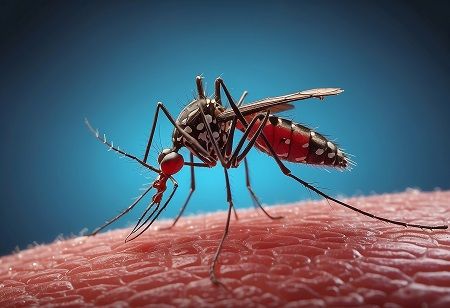
India has detected dengue strains from all four virus serotypes ahead of the dengue vaccine rollout.
The finding comes from a nationwide surveillance study. It has raised attention because infection with different serotypes can increase the risk of severe disease.
The results may help shape vaccination plans and strengthen disease monitoring across the country.
The study found dengue virus serotypes DENV-1, DENV-2, DENV-3, and DENV-4 circulating across eight states and Union Territories. Experts said this is the first time such nationwide evidence has confirmed the presence of all four serotypes together. The findings arrive as India prepares to introduce its first dengue vaccine.
Nationwide Study Maps All Four Serotypes
The surveillance study was carried out by the Indian Council of Medical Research in partnership with the National Centre for Vector Borne Diseases Control. Researchers collected samples from multiple regions to understand which serotypes were circulating.
The analysis confirmed that all four dengue serotypes are active in different parts of the country. This means people may face repeated infections during their lifetime. A second infection with a different serotype often carries a higher risk of complications.
Experts said continuous surveillance is important because the dominant serotype can change over time. Tracking these changes helps health authorities prepare better responses during outbreaks.
Also Read: AI in Drug Discovery and Development: From Lab to Commercial Market
Why the Finding Matters Before Vaccine Launch
The discovery comes at a critical time. India is preparing for the rollout of a tetravalent dengue vaccine. Such vaccines are designed to provide protection against all four dengue serotypes. Health experts believe the presence of all four serotypes supports the need for a vaccine that offers broad protection. It also highlights the importance of monitoring vaccine performance after its introduction.
Researchers noted that dengue transmission patterns vary by region. Local surveillance will remain necessary even after vaccination begins. Data from different states will help authorities identify changing trends and respond quickly.
Dengue Cases Continue to Challenge Public Health
Dengue remains one of India's biggest mosquito-borne diseases. Seasonal outbreaks continue to place pressure on hospitals and public health systems. Officials said surveillance, early diagnosis, mosquito control, and public awareness will remain key parts of dengue prevention. Vaccination is expected to strengthen these efforts rather than replace them.
Experts also advised people to eliminate stagnant water around homes. Using mosquito repellents and protective clothing can further reduce the risk of infection.
Key Highlights
.jpg)