
India Pharma Outlook Team | Monday, 20 July 2026
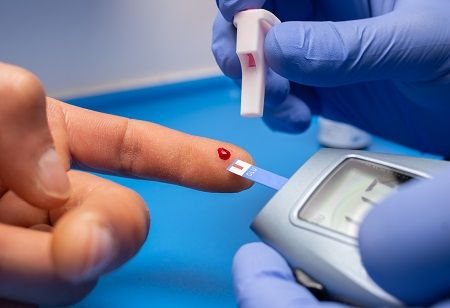
Researchers found the condition can increase the chances of dangerous dengue complications.
The findings highlight why people with diabetes should not ignore dengue symptoms. Doctors say early medical care can reduce the risk of severe illness.
The study adds fresh evidence that diabetes can worsen dengue outcomes. It also calls for closer monitoring of high-risk patients.
The research was published in the journal Clinical Infectious Diseases. It analyzed health records from more than 40,000 adults in Singapore. The team studied dengue cases reported between 2013 and 2020. Researchers found that adults with diabetes had a greater chance of developing severe dengue than those without diabetes.
Researchers believe diabetes affects the body's immune response. It can also damage blood vessels over time. Dengue infection already causes inflammation and increases blood vessel leakage. Together, these effects may lead to serious complications.
The study found that people with diabetes were more likely to develop severe forms of dengue. These cases included plasma leakage, bleeding, shock, and organ damage. Such complications can become life-threatening without timely treatment.
The researchers also noted that poor blood sugar control may further increase health risks. They suggested that better diabetes management could improve outcomes during dengue infection. However, they said more studies are needed to confirm this link.
Doctors say people with diabetes should seek medical care as soon as dengue symptoms appear. Waiting for symptoms to worsen can delay lifesaving treatment.
Common dengue symptoms include:
Warning signs of severe dengue include severe abdominal pain, repeated vomiting, breathing difficulty, bleeding, and extreme weakness. These symptoms require immediate hospital care.
The study supports close monitoring of diabetes patients during dengue infection. Doctors may need to watch these patients more carefully. Early fluid management and regular health checks can reduce serious complications.
Also Read: The Strategic Role of Regional Corridors in Future-Ready MedTech
The findings are important for countries where dengue and diabetes are both common. India continues to report a large number of dengue cases every year. The country also has one of the world's highest diabetes burdens.
Researchers said identifying high-risk patients can help hospitals provide timely treatment. It can also improve patient outcomes during dengue outbreaks.
Health experts advise people with diabetes to reduce mosquito exposure. They should use mosquito repellents, wear full-sleeved clothing, and remove stagnant water around their homes. They should also continue taking prescribed diabetes medicines and monitor blood sugar regularly.
The researchers stressed that the study shows an association, not proof that diabetes directly causes severe dengue. Still, the findings support extra caution for people living with diabetes. Early diagnosis and prompt medical care remain the best ways to lower the risk of serious illness.


.jpg)
