India Pharma Outlook Team | Wednesday, 25 November 2026
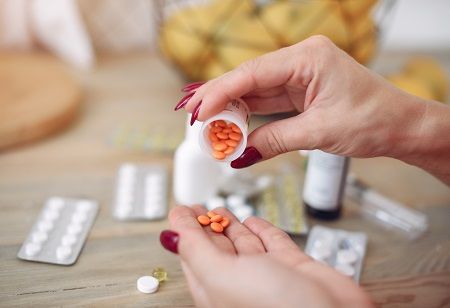
More than half of Indian women of reproductive age continue to struggle with anaemia, highlighting a persistent public health challenge despite ongoing nutrition programs.
The ICMR-NIN SAMPADA survey (2023–25) found that 55.9 percent of non-pregnant, non-lactating women aged 15-49 have anaemia.
The findings offer a clearer picture of the condition through venous blood testing and help address the data gap following NFHS-5 and the absence of NFHS-6 findings.
The survey also points to a wider nutritional burden among adolescent girls, pregnant women and lactating mothers.
Also Read: Telemedicine for Senior Chronic Care: Clinical Guidelines and Remote Care Technologies Guide
Iron deficiency alone cannot explain the high anaemia burden among Indian women and adolescents. The SAMPADA findings show that it accounts for only about 27 percent of anaemia cases among women and adolescent girls. Vitamin B12 deficiency also presents a major concern, affecting around 65 percent of adolescents and 57 percent of women of reproductive age.
The survey highlights the need to identify multiple nutritional and non-nutritional causes rather than relying only on iron supplementation.
Key findings to note:
Inherited blood disorders and chronic illnesses can also contribute to anaemia, making accurate diagnosis important for effective treatment.
The survey also highlights significant differences across states and regions. Andaman and Nicobar Islands recorded the highest anaemia prevalence at 81.2 percent, pointing to the uneven burden across the country.
Although severe anaemia affects fewer than 2 percent of the surveyed population, moderate cases remain common. This pattern calls for stronger screening and timely intervention before the condition worsens.
Programs such as Anaemia Mukt Bharat need to look beyond iron supplementation and address deficiencies in vitamin B12 and other nutrients. Health authorities must also consider regional nutritional patterns and other underlying causes when designing interventions.
The findings offer a more detailed understanding of anaemia across population groups. However, the continued burden among Indian women highlights the need for targeted diagnosis, broader nutrition interventions, and stronger screening to improve long-term health outcomes.