India Pharma Outlook Team | Saturday, 10 October 2026
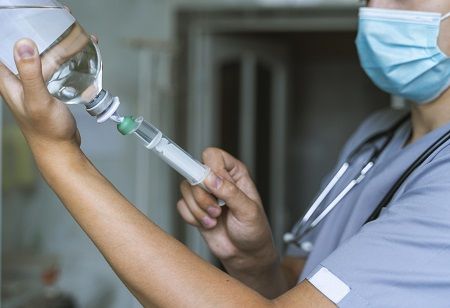
The Uttar Pradesh state government has expanded the use of single-dose iron injections to improve maternal anaemia treatment, following a pilot program that reportedly administered more than 20,000 doses across five districts.
The initiative uses ferric carboxymaltose (FCM), an intravenous iron formulation that can deliver a substantial dose in a single sitting when clinically appropriate.
The initiative targets pregnant women who struggle to take oral iron-folic acid tablets regularly or require faster correction of iron deficiency.
By reducing the need for repeated infusion visits, the program aims to make treatment more convenient for eligible pregnant women who cannot tolerate oral iron supplements or require intravenous iron replacement.
Beyond introducing a new treatment option, the program highlights a wider public healthcare challenge: ensuring that women are diagnosed early, receive appropriate treatment and complete the care needed to improve maternal health outcomes.
According to the Uttar Pradesh health department, the pilot covered Sitapur, Hardoi, Rae Bareli, Jalaun and Bahraich. Following the reported administration of more than 20,000 doses, the state decided to expand the initiative and include FCM on its essential medicines list.
Mission Director of the National Health Mission in Uttar Pradesh, Pinky Jowel, said the treatment could improve compliance among women who face difficulties taking oral iron supplements.
Repeated visits for intravenous iron treatment can create practical challenges, particularly for women living far from healthcare facilities.
Ferric carboxymaltose can deliver a substantial dose of iron in a single infusion when clinically appropriate, potentially reducing the number of visits compared with iron sucrose regimens that require multiple sessions.
The potential benefits include:
However, FCM is not a universal replacement for oral iron supplementation. Its use depends on clinical assessment, the severity and cause of anemia, pregnancy stage and applicable treatment protocols.
Also Read: How Can India Pharma Bridge the Gap Between Innovation and Access
Uttar Pradesh's initiative comes as the Centre strengthens its approach to anaemia through the revised Anaemia Mukt Bharat Abhiyaan operational guidelines released in June 2026.
The national framework moves beyond preventive supplementation towards more comprehensive testing, therapeutic management, counselling and follow-up.
Its T4 approach—Test, Treat, Talk and Track—emphasizes identifying anaemia, providing appropriate treatment, educating beneficiaries and monitoring progress.
The revised guidelines include intravenous iron therapy, including FCM and iron sucrose, for severe anaemia and non-responders among pregnant and lactating women, according to clinical protocols.
This creates a broader policy context for the Uttar Pradesh rollout. Making a medicine available is only one part of effective anaemia management.
Public health facilities must also identify eligible patients, ensure trained personnel can administer infusions safely and monitor treatment response.
Uttar Pradesh has added FCM to its essential medicines list, a step intended to support procurement and availability at public healthcare facilities.
The program's reach will depend partly on how consistently these arrangements translate into access at the point of care.
A multicenter randomized trial published in the American Journal of Obstetrics and Gynecology in 2025 compared single-dose intravenous iron with oral iron among pregnant women with moderate iron-deficiency anaemia.
In the ferric carboxymaltose group, low-birth-weight births occurred in 25.2 percent of cases, compared with 29.3 percent in the oral iron group. However, the trial did not find a significant improvement in its primary measure of achieving a non-anaemic state at delivery with FCM.
These findings suggest potential benefits, but they do not establish that Uttar Pradesh's program has already reduced maternal deaths or improved birth outcomes.
The trial also evaluated defined patient groups under study conditions, whereas statewide implementation involves different healthcare settings and operational challenges.
Also Read: A Cure for Postpartum Depression - If You Can Afford It
The effectiveness of Uttar Pradesh's single-dose iron injection initiative will depend on more than the number of doses administered. Key measures to monitor include:
Uttar Pradesh's rollout offers a practical test of how targeted intravenous iron treatment can be integrated into public maternal healthcare.
Its longer-term significance will depend on whether improved treatment access translates into measurable clinical outcomes, supported by reliable procurement, appropriate patient selection and sustained follow-up.
.jpg)