India Pharma Outlook Team | Thursday, 02 July 2026
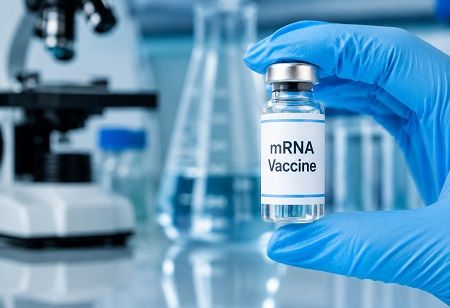
A new mRNA Vaccine Analysis has delivered reassuring findings about the safety and effectiveness of mRNA vaccines. The review examined evidence from billions of vaccine doses administered worldwide.
Researchers found that these vaccines continue to provide strong protection against severe infectious diseases. The mRNA Vaccine Analysis also confirmed that serious side effects remain rare.
Experts said the technology has proven its value during the COVID-19 pandemic and could help fight future diseases.
The review was published in The Lancet. It brought together findings from clinical trials, real-world studies, vaccine safety monitoring systems, and regulatory data. Researchers evaluated evidence collected over several years. They concluded that mRNA vaccines have a strong safety record while reducing the risk of severe illness, hospitalization, and death.
The review confirmed that mRNA vaccines work well against severe infectious diseases, especially COVID-19. Protection was seen across different age groups and health conditions.
Researchers found benefits for:
The findings showed that vaccinated people faced a much lower risk of severe disease. They were also less likely to require hospital care or die from infection. Researchers said these results matched evidence collected during the global vaccination campaign.
The review also highlighted the importance of continued monitoring. Scientists said ongoing surveillance has helped confirm vaccine safety after billions of administered doses.
Also Read: Driving Vaccine Adoption Beyond Pediatric Immunization in India
The mRNA Vaccine Analysis found that serious adverse events are rare. Researchers acknowledged that cases of myocarditis have been reported after vaccination. However, they said these events occur infrequently.
The review concluded that the overall benefits of vaccination outweigh the known risks. Researchers stressed that preventing severe illness remains the biggest public health advantage.
The analysis combined information from multiple sources. These included:
According to the researchers, examining evidence from different sources strengthened confidence in the findings. It also provided a clearer picture of vaccine performance in everyday settings.
Researchers believe mRNA technology has applications beyond COVID-19 vaccines. The platform allows vaccines to be designed and produced more quickly than many traditional methods.
Scientists are studying mRNA vaccines for several infectious diseases, including influenza and respiratory syncytial virus (RSV). Researchers are also exploring personalized cancer vaccines and RNA-based treatments for other medical conditions.
The review said wider manufacturing capacity will be important in the coming years. Expanding production could improve access in low- and middle-income countries. Better global access may help countries respond faster during future disease outbreaks.
Researchers concluded that mRNA technology has become an important medical tool. Evidence gathered from billions of doses supports its continued use against severe infectious diseases. They added that ongoing research could unlock even more healthcare applications in the future.

.jpg)