India Pharma Outlook Team | Wednesday, 28 October 2026
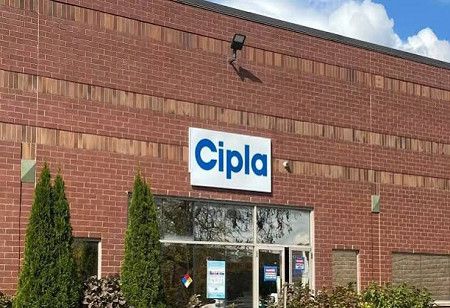
Cipla’s latest earnings highlight sequential US gains powered by generic Ventolin and the first dry-powder Advair from its American plants.
Cipla presents QL2107, the pembrolizumab biosimilar licensed from Qilu, as a first-wave 2029 opportunity that could deliver a high-single- to low-double-digit share of a franchise exceeding USD 30 billion.
Achin Gupta, Global CEO and MD, states Cipla ranks among the first wave of launches and expects the go-to-market opportunity to capture significant share.
Does proven success in high-volume respiratory generics equip Cipla for the distinct commercial battlefield of oncology biosimilars?
Cipla builds clear advantages in the US respiratory space. Recent FDA approvals for generic Ventolin and generic Advair mark the first dry-powder inhaler from its US manufacturing network. These assets give it manufacturing control in American plants, established wholesale and PBM relationships, and a commercial model that prioritizes scale, reliability, and modest specialty support.
Management points to these launches as key drivers for the second half. Gupta notes Ventolin will act as a big driver and Advair will contribute significantly. The company sees multiple pathways to the USD 1 billion North America exit run-rate through product ramp-ups and further approvals. This model has historically delivered sequential recovery and supports the current narrative of US gains.
Oncology biosimilars demand a different set of capabilities. Success depends on hospital outpatient and buy-and-bill dynamics, pathway and formulary battles, intensive KOL and physician engagement, complex payer contracting amid multi-player price erosion, and a credible medical-affairs presence.
Cipla plans to file next year and targets a first-wave launch after patent expiry around 2029. Gupta emphasizes that even a high single-digit or bordering double-digit share represents a very large opportunity given the franchise size. Yet “first-wave” describes timing, not automatic commercial readiness. The practical demands differ sharply from high-volume generics.
Also Read: India's 30% Anti-Cancer Drug Margin Cap: What It Means for Pharma
Cipla USA’s existing oncology footprint remains limited compared with its respiratory presence. The Qilu arrangement assigns development, regulatory work, and supply to the Chinese partner; Cipla contributes pure commercialization through its US network.
Missing pieces include dedicated oncology account teams, deep medical affairs infrastructure, and direct experience navigating rapid biosimilar price competition. The 2029 window still offers time to build or partner, yet time alone does not close the capability gap.
Cipla’s respiratory strengths are real and valuable. Success with a Keytruda biosimilar, however, will demand an entirely different commercial setup.
Investors and observers should watch three clear signals: whether the company files on time with a strong data package, whether it starts building dedicated oncology sales and medical teams, and whether it shows early willingness to compete aggressively on price and contracts with payers. Strength in respiratory generics will not automatically translate into strength in oncology biosimilars.