
India Pharma Outlook Team | Thursday, 22 October 2026
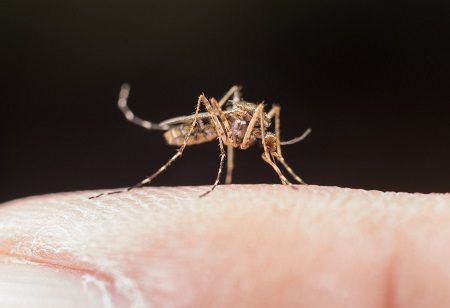
Tamil Nadu’s dengue vaccine pilot can help examine how vaccination can be integrated into India’s public health system.
The initiative plans to move beyond regulatory approval and examine the vaccine’s performance in local conditions.
Launched in Kadayanallur, Tenkasi district, the initiative will study Qdenga, a vaccine developed by Japanese pharmaceutical company Takeda.
The program comes after India's CDSCO granted marketing authorization for the vaccine in July 2026.
According to Tamil Nadu Health Minister K.G. Arunraj, findings from the pilot could guide decisions on wider implementation.
The study's significance lies in understanding how the vaccine performs locally, whether recipients complete the recommended schedule and how effectively public health facilities can deliver it.
The priority is to understand the vaccine's performance and practical suitability in a region affected by dengue.
The study, involving the Indian Council of Medical Research's National Institute of Epidemiology (ICMR-NIE) and the state public health department, is expected to examine several areas:
Also Read: Why Vaccine Innovation Must Go Beyond Traditional Platforms
CDSCO approved Qdenga for individuals aged four to 60 years, with two doses administered three months apart. The approval is backed by global clinical data and an Indian phase III safety and immunogenicity study.
The Tamil Nadu pilot study is therefore not an efficacy or safety assessment test; it is a step towards understanding how the dengue vaccine can be implemented in an Indian context.
Dengue transmission patterns and the circulation of different virus serotypes can vary across populations, making careful interpretation of local findings important.
Health Minister K.G. Arunraj has said the findings from Kadayanallur could guide future decisions on expanding vaccination.
Any wider rollout, however, would require consideration of scientific recommendations, delivery capacity and the resources needed to sustain a two-dose schedule.
The pilot could also offer lessons on public awareness, follow-up systems and monitoring after vaccination. These practical factors matter because incomplete vaccination schedules and difficulties reaching eligible populations can affect program delivery.
Importantly, vaccination will not replace existing dengue prevention measures. Eliminating stagnant water, controlling mosquito breeding, strengthening surveillance and ensuring timely diagnosis and treatment will remain essential.