
India Pharma Outlook Team | Thursday, 01 October 2026
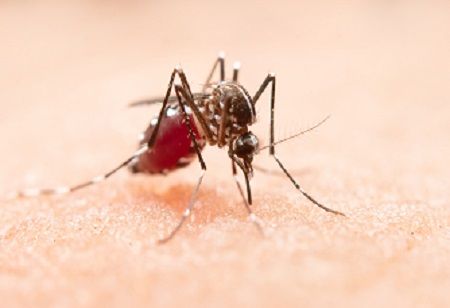
India's dengue vaccine strategies are gaining relevance as Bangladesh enters October after recording 148 dengue deaths in September, its deadliest month of 2026.
Bangladesh has recorded at least 245 dengue deaths and 79,620 hospitalizations since January, with experts warning that recent rainfall and changing weather patterns could sustain transmission through October.
For India, the development comes as dengue transmission is increasingly being reported beyond a narrow monsoon window and the country has approved its first dengue vaccine.
The focus is therefore shifting from reacting to seasonal outbreaks toward combining surveillance, vector control and vaccination as preventive tools.
The Bangladesh outbreak highlights a wider challenge for dengue-endemic countries: rainfall and temperature patterns can influence mosquito breeding and the timing of transmission.
Experts identified a 45–60-day lag between rainfall and dengue transmission in Bangladesh, suggesting that infections can continue rising even after the main rains have passed.
India is seeing similar concerns at the city level. Chennai recorded 614 dengue cases in the first 18 days of September, while August had 605 cases, according to credible sources. The Greater Chennai Corporation said dengue cases have historically peaked from August through November or December.
This makes post-monsoon surveillance important for India, particularly in urban centers where stagnant water, construction sites and densely populated neighborhoods can sustain Aedes mosquito breeding.
Also Read: Why Vaccine Innovation Must Go Beyond Traditional Platforms
India approved Takeda’s Qdenga in July 2026 as the country’s first dengue vaccine. The Central Drugs Standard Control Organisation authorized it for individuals aged 4–60 years, with a two-dose schedule administered three months apart.
The approval adds vaccination to an existing dengue-control framework that includes vector control, surveillance, early diagnosis and case management.
However, vaccination does not eliminate the need to control mosquito breeding. That distinction is important because Bangladesh’s current outbreak has also exposed the limitations of relying on fogging without eliminating breeding sites.
For India, the emerging challenge is therefore how vaccination can complement, rather than replace, municipal and community-level prevention.
The next issue is access. Takeda and Dr Reddy’s Laboratories recently announced a collaboration for the promotion and distribution of Qdenga in India’s private market, with availability anticipated in the first half of 2027, subject to applicable processes.
This creates a gap between regulatory approval and actual availability. The rollout will also determine how widely dengue vaccination can reach beyond private healthcare settings and how it fits into broader public-health programs.
The Bangladesh experience suggests that waiting for case numbers to surge can place additional pressure on hospitals. For India, a more preventive approach could combine weather-linked surveillance, early vector-control action, rapid diagnosis and vaccination for appropriate populations.
The immediate relevance is not that Bangladesh’s outbreak predicts an identical trajectory for India. Rather, it demonstrates why dengue preparedness cannot be limited to the traditional peak season.
With Qdenga now approved and Indian cities continuing to report post-monsoon transmission, the country has an opportunity to evaluate how vaccination can become one component of a broader, year-round dengue prevention strategy.
.jpg)