
India Pharma Outlook Team | Monday, 28 September 2026
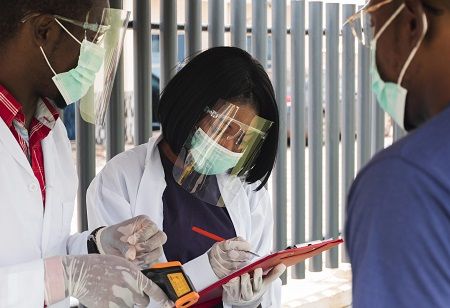
Ebola surges past 8,000 cases in the Democratic Republic of Congo as the outbreak claims nearly 4,000 lives and becomes the largest and deadliest in the country’s history.
Government data released on Monday reported 8,067 confirmed infections and 3,901 deaths.
The Bundibugyo strain drives this unprecedented crisis and ranks as the second-largest Ebola epidemic ever recorded worldwide, trailing only the 2014-2016 West African outbreak.
Health authorities face a virus that has already surpassed the 2018-2020 epidemic in Congo and continues to test the nation’s response capacity.
The outbreak stands second only to the catastrophic 2014-2016 West African epidemic. That earlier crisis infected more than 28,600 people and killed more than 11,000 across Guinea, Liberia and Sierra Leone. Congo’s current figures already place the Bundibugyo outbreak in a category of historic severity.
Key comparisons make the urgency clear:
The latest situation report from the public health institute confirms the grim milestone. Cases climb above 8,000 for the first time in this ongoing outbreak. Deaths reach 3,901 and push the fatality count higher than any previous Ebola event inside the Democratic Republic of Congo.
Officials note that the Bundibugyo species causes the current wave. This particular strain has never produced an outbreak of this magnitude in the country before. The numbers now exceed the entire case and death totals from the 2018-2020 epidemic that previously held the national record.
Also Read: Why the Latest Ebola Outbreak Has Global Health Experts on Alert
The Bundibugyo species differs from the more widely known Zaire strain that dominated earlier major epidemics. No widely available approved medical countermeasures currently target this specific virus in the same way vaccines and treatments have addressed other Ebola species. Health teams therefore rely heavily on classic outbreak control measures while the case count continues to rise.
Government reports show the outbreak has already rewritten Congo’s epidemiological history. The rapid climb past 8,000 infections and nearly 4,000 deaths underscores the need for continued surveillance, case management, and community engagement. International health partners monitor the situation closely as the numbers climb.
The Democratic Republic of Congo now faces its most severe Ebola emergency on record. The Bundibugyo strain has driven infections to 8,067 and deaths to 3,901, establishing this outbreak as the largest and deadliest the country has ever recorded and the second-largest globally. Authorities continue to track every new case while the world watches a crisis that has already eclipsed previous national benchmarks.
.jpg)