India Pharma Outlook Team | Tuesday, 11 August 2026
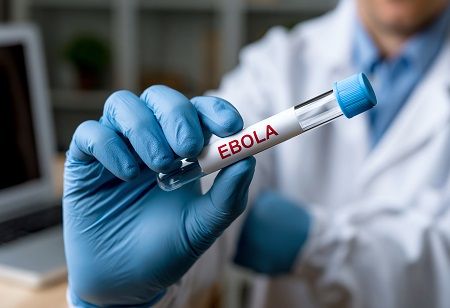
The Ebola death toll in the Democratic Republic of Congo has crossed 2,000 as the country battles a rapidly spreading outbreak. The outbreak has already claimed 2,011 confirmed deaths across five provinces.
Health officials have recorded 4,381 confirmed Ebola cases so far. The current outbreak has become the fastest-spreading Ebola outbreak on record.
The crisis is being made worse by limited healthcare resources and shortages of medical supplies. Conflict in affected areas has also made it harder for health workers to respond.
The outbreak is linked to the Bundibugyo strain of Ebola, which presents another major challenge. There are currently no approved vaccines or treatments for this strain.
The speed of the outbreak has raised serious concerns among health authorities. Congo reached 2,000 deaths in less than three months. The previous major outbreak took more than a year to reach the same death toll. That difference shows how quickly the current crisis has intensified.
The Ebola outbreak has spread across five provinces in the country. Health officials are working to identify cases and limit further transmission.
Several factors are complicating these efforts, including:
These challenges can delay diagnosis and treatment. They can also increase the risk of further transmission within communities.
The Bundibugyo strain is one of the biggest challenges in the current outbreak. Existing Ebola vaccines do not provide an approved solution for this strain. The lack of an approved vaccine leaves healthcare workers with fewer tools to control the disease. Treatment options are also limited.
The situation highlights the importance of Ebola vaccine research and rapid development of treatments for emerging disease strains. The outbreak also puts pressure on Congo's already strained healthcare system. Medical teams need supplies, trained workers, testing facilities, and safe treatment centers.
Also Read: Why the Latest Ebola Outbreak Has Global Health Experts on Alert
The crisis extends beyond the immediate number of deaths. It shows how quickly an infectious disease can overwhelm local health systems. Strong disease surveillance can help identify outbreaks earlier. Rapid testing can also support faster isolation and treatment.
The outbreak highlights several areas that need greater attention:
The Ebola outbreak in Congo is therefore not only a public health emergency. It is also a warning about the need for stronger global preparedness against emerging infectious diseases.
.jpg)