
India Pharma Outlook Team | Thursday, 08 October 2026
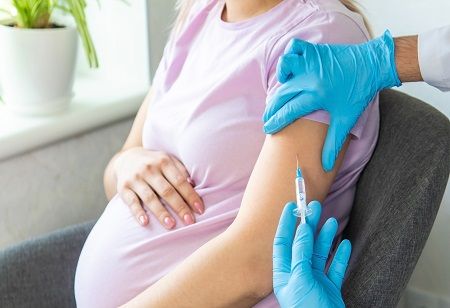
HPV shot linked to fewer pregnancy complications offers women protection that goes far beyond cancer prevention.
A major Swedish study shows that women who receive the quadrivalent HPV vaccine before pregnancy face a lower risk of serious pregnancy problems, including preterm birth.
Researchers found the strongest benefits among those vaccinated at younger ages.
The findings, published in the British Medical Journal, come from nationwide data covering more than 600,000 first-time births.
They add weight to the case for routine HPV immunization programs around the world and highlight an important extra advantage for future mothers.
Researchers at Karolinska Institutet examined 624,713 single-child, first-time births among women aged 16 to 35 years between 2006 and 2023. Of these, 92,620 women (15 percent) had received the quadrivalent HPV vaccine before pregnancy.
The quadrivalent vaccine targets four HPV types, including types 16 and 18 that cause about 70 percent of all cervical cancers.
The team looked at several adverse outcomes such as:
Women who received the vaccine before pregnancy showed a lower risk of these complications. The greatest risk reduction appeared among those immunized at an earlier age.
Also Read: 10 Health Habits Doctors Swear By but Rarely Talk About
Human papillomavirus is a common sexually transmitted infection. Persistent high-risk infections can cause cervical cancer and other cancers. Growing evidence already links HPV infection and the treatments used for cervical lesions to higher rates of pregnancy complications such as preterm birth.
Preventing the infection itself therefore holds clear potential benefits for pregnancy. The Swedish findings support this idea. They suggest the vaccine does more than protect against cancer; it may also improve pregnancy outcomes.
A 2025 UK study from Aberdeen that analyzed 9,200 women found no difference in spontaneous preterm birth rates by vaccination status. However, it did point to possible reductions in other problems such as preterm prelabour rupture of membranes, pre-eclampsia and antepartum hemorrhage among vaccinated women.
The Swedish authors stress that their study is observational. They cannot draw firm conclusions about cause and effect. They also note incomplete information on spontaneous abortions and limited investigation of the exact clinical pathways. Other unmeasured factors could have influenced the results. Still, the researchers conclude that HPV vaccination appears not only safe for pregnancy outcomes but may actively reduce the risk of adverse events.
Together with earlier research showing the vaccine’s safety during pregnancy, the evidence strengthens the case for global HPV vaccination strategies and their continued place in routine immunization programs.
The study adds a powerful new reason for young women and girls to receive the HPV vaccine early. Lower risk of major pregnancy complications joins the well-established protection against cervical cancer.
Health systems that already run HPV vaccination programs gain further justification for maintaining and expanding them. Women who plan future pregnancies can view the vaccine as a step that supports both long-term cancer prevention and healthier pregnancies.
The Swedish data, drawn from a large national register, give clinicians and policymakers clear, real-world evidence that the benefits of HPV immunization extend well beyond the original cancer prevention goal.

.jpg)

