India Pharma Outlook Team | Tuesday, 06 October 2026
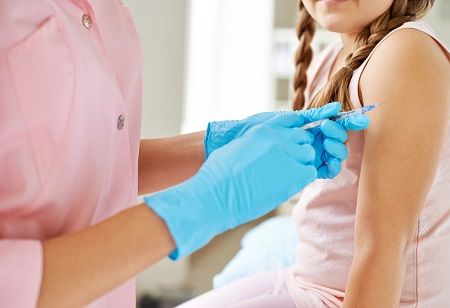
Serum Institute’s WHO nod now boosts the path toward a cancer-free India by unlocking wider global and domestic access to an affordable indigenous HPV vaccine.
The Pune-based maker’s quadrivalent shot receives prequalification status, marking its 32nd such milestone and allowing United Nations agencies to procure it.
Cervavac targets the four key HPV types responsible for most cervical and related cancers, offering gender-neutral protection for both girls and boys aged 9 to 26.
This regulatory step strengthens India’s response to a disease that remains a major public health burden and creates new opportunities for broader immunization coverage.
Serum Institute of India announces that Cervavac obtains WHO prequalification. The recombinant quadrivalent vaccine prevents cervical, vulvar, vaginal and anal cancers in girls and young women, and anal cancer in boys and young men. It also guards against genital warts caused by types 6 and 11.
Adar Poonawalla, CEO of Serum Institute, states that WHO prequalification strengthens the global response to HPV. He notes the milestone reflects the vaccine’s effectiveness and creates the opportunity for countries to prevent HPV-related risks.
He adds that the company looks forward to contributing to immunization coverage and advancing global healthcare. The vaccine already holds approval from the Drugs Controller General of India.
Individuals aged 9 to 14 receive two doses six months apart, while those aged 15 to 26 follow a three-dose schedule at 0, 2 and 6 months. Administration occurs intramuscularly, with the product available in single-dose 0.5 ml and two-dose 1.0 ml vials.
Also Read: Why Vaccine Innovation Must Go Beyond Traditional Platforms
India’s ongoing HPV vaccination drive currently uses Merck’s Gardasil 4, which targets the same four HPV types. Gardasil follows a single-dose approach in the program and covers a broader age range up to 45 years.
Cervavac, by contrast, uses a two- or three-dose regimen depending on age yet offers an indigenous, potentially more affordable alternative. Trials demonstrate that Cervavac delivers non-inferior efficacy compared with Gardasil, providing near-complete protection against initial infection and precancerous lesions caused by the four targeted types.
High-risk types 16 and 18 alone account for more than 70 percent of cervical cancer cases globally. Development partners include the Department of Biotechnology, the Biotechnology Industry Research Assistance Council, WHO’s International Agency for Research on Cancer, and the Gates Foundation. This collaboration ensures the vaccine meets rigorous quality and efficacy standards while remaining rooted in Indian research capacity.
WHO prequalification places Cervavac on the list of vaccines eligible for purchase by UN agencies. This opens pathways for use in public health programs across multiple countries, particularly those seeking cost-effective options against HPV-related disease.
Serum Institute positions the vaccine as a gender-neutral tool that can reach both boys and girls. Protection against anal cancer in males and the full spectrum of HPV-linked cancers in females broadens the impact of each dose administered.
Key features of Cervavac include:
The WHO nod therefore moves Cervavac from a domestic success story into a potential contributor to wider cervical cancer prevention efforts. By adding an indigenous, quality-assured option to the global toolkit, Serum Institute strengthens the practical means available to countries working toward reduced HPV-related disease burden.
.jpg)