
India Pharma Outlook Team | Friday, 19 June 2026
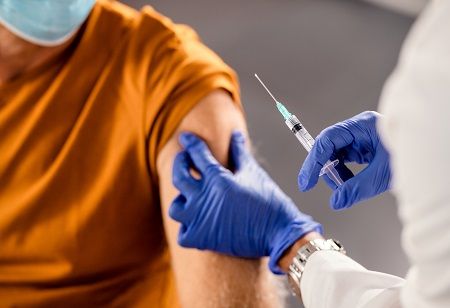
India’s HPV campaign has reached a major milestone, with nearly 50 lakh girls vaccinated within just three months of the nationwide rollout.
The HPV campaign, launched by the Centre in February 2026, aims to protect adolescent girls from cervical cancer through free vaccination under the national immunization program.
The rapid progress highlights the government's push to improve women's health and expand preventive healthcare coverage across the country.
According to government data, around 50 lakh doses have already been administered to 14-year-old girls, covering nearly half of the target population of 1.15 crore beneficiaries. The vaccination drive is being carried out through schools, healthcare facilities, and special outreach programs across states.
The Human Papillomavirus (HPV) vaccine protects against infections that can lead to cervical cancer, one of the most common cancers among women in India. Health experts have long advocated wider HPV vaccination coverage to reduce the disease burden and improve long-term health outcomes.
Key highlights of the campaign include:
The achievement marks one of the fastest public health vaccination rollouts focused on adolescent girls in the country.
Also Read: The Strategic Role of Regional Corridors in Future-Ready MedTech
The HPV vaccine campaign forms part of the government's broader strategy to strengthen preventive healthcare and tackle cancer-related deaths among women. By vaccinating girls before exposure to the virus, health authorities aim to significantly lower the risk of cervical cancer later in life.
Officials have emphasized that increasing awareness among parents, schools, and local communities remains critical for achieving full coverage. Several states have reported strong participation rates, while others continue efforts to improve awareness and address vaccine hesitancy.
Public health experts believe large-scale HPV vaccination can help India move closer to the global goal of eliminating cervical cancer as a public health concern.
While the campaign has made significant gains, authorities acknowledge that reaching the remaining target population will require sustained efforts. Factors such as misinformation, limited awareness in some regions, school schedules, and logistical challenges have affected coverage in certain districts.
Health departments are continuing outreach activities and awareness campaigns to ensure eligible girls receive the vaccine. The government is also working with schools and local healthcare workers to improve participation rates.
With nearly half of the target group already covered, the campaign is expected to gather further momentum in the coming months as vaccination efforts expand across the country.
The success of the program is being viewed as an important step toward reducing future cervical cancer cases and strengthening India's preventive healthcare infrastructure.
.jpg)