
India Pharma Outlook Team | Tuesday, 24 November 2026
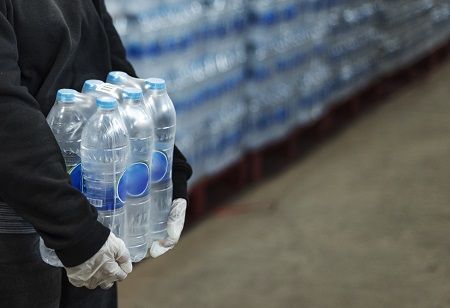
Packaged drinking water offers millions of Indians a convenient source of hydration, particularly in areas where access to clean drinking water remains a challenge.
However, recent food safety concerns have raised questions about how safe bottled water really is. The Food Safety and Standards Authority of India (FSSAI) reportedly found a Bisleri water sample unsafe for consumption and plans to expand quality checks across other brands.
The development raises an important public health question: Can consumers trust the bottled water they drink every day, and are manufacturers doing enough to maintain quality?
These FSSAI findings have brought India's packaged drinking water industry under closer scrutiny. The regulator traced the issue to a sample collected from Bisleri's Goa facility in 2025.
The company said independent testing showed bromate levels within prescribed limits and pledged to cooperate with regulators. Importantly, this finding concerns a specific sample, not every Bisleri product or other bottled water brands.
Also Read: India's Drug Pricing Architecture: Why the Rules Keep Expanding
Safe drinking water requires consistent quality controls throughout production and distribution. Contamination from harmful chemicals or microorganisms can create health risks, making regular testing and hygienic handling essential.
Consumers can take a few precautions before purchasing bottled water:
For manufacturers, maintaining clean bottling facilities, safe storage, and hygienic transportation remains essential.
Ultimately, wider FSSAI inspections can strengthen accountability and consumer confidence. India's packaged drinking water industry needs transparent testing and consistent regulatory oversight to protect public health. Therefore, safe drinking water is a necessity, not a choice.