
India Pharma Outlook Team | Thursday, 09 April 2026
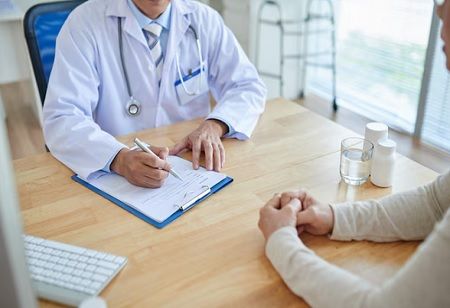
In an increasingly digital-first healthcare environment, more patients are turning to online searches, home remedies, and AI-driven tools to self-diagnose and make treatment decisions. A trend Paras Health flagged on World Health Day as a key driver of delayed medical care and rising health risks.
Incomplete or misinterpreted information often leads individuals to delay professional consultation or opt for inappropriate treatment pathways.Paras Health experts note that this growing reliance on incomplete or partial information is not without consequences. When health decisions are based on unverified inputs, critical symptoms are often overlooked or underestimated, allowing conditions to progress silently. Doctors emphasize that timely intervention by qualified medical professionals remains essential, particularly for serious and chronic diseases.
Recent data from NFHS-5, ICMR, and The Lancet Regional Health – Southeast Asia highlights major gaps in early detection across India. Only 1.9% of women have undergone cervical cancer screening, and 0.9% each for breast and oral cancer, according to NFHS-5, reflecting extremely low screening coverage.
Also Read: The Future of MedTech in India: Meeting Tier-2 and Tier-3 Needs
India ranks third globally in new cancer cases, and also records a high mortality rate, with nearly three out of five diagnosed patients dying from the disease, giving India an incidence-to-mortality ratio of 65%. Studies further indicate that a majority of cancers in India are diagnosed at advanced stages, with diagnostic delays often ranging from six to twelve months after the onset of symptoms.
The ICMR has projected that India’s cancer burden will increase from 1.39 million cases in 2020 to 1.57 million cases till 2025. Similar late diagnosis trends are seen across other non-communicable diseases, including hypertension, diabetes, and cardiac conditions, where delayed detection significantly affects long-term health outcomes.
Speaking on the issue, Vineet Aggarwal, Group COO, Paras Health, said, “India’s healthcare system has traditionally been reactive, with patients often seeking medical attention only after symptoms become severe. This often leads to late-stage diagnosis, reducing the chances of successful treatment and significantly increasing healthcare costs for families.
However, over time, we are witnessing a gradual shift in patient behaviour. People are becoming more proactive about their health, increasingly seeking information, using digital platforms and AI tools to understand symptoms, and opting for regular health check-ups. While this reflects growing awareness, it also brings new challenges.
Access to information does not always translate into accurate understanding. Over-reliance on fragmented or context-free inputs can lead to confusion, delayed consultations, and incorrect self-management. Healthcare decisions require clinical judgment and experience, and depending solely on partial information can pose significant risks.”
This trend is also reflected in broader public health patterns, with a significant proportion of serious diseases in India, including cancers, cardiovascular conditions, and diabetes, continuing to be diagnosed at advanced stages.
Paras Health emphasized that late detection significantly impacts treatment outcomes, increases healthcare costs, and places a significant burden on families and the healthcare system, underscoring the urgent need to shift from reactive to preventive healthcare.
Also Read: Pharma Financial Year-End Checklist 2026: Key Stats & Compliance
The hospital network is addressing this through community-based initiatives, including free screening and consultation camps across specialties such as oncology, cardiology, orthopaedics, neurology, diabetes management, and general health check-ups. These initiatives have reached thousands of individuals, particularly in underserved and semi-urban regions, helping detect conditions at earlier and more treatable stages.
Recent initiatives include multi-location free cancer consultation camps, neurology and neurosurgery screening programs, and general health camps conducted in cities such as Gurugram, Kanpur, and other regions, reflecting the organization’s continued commitment to grassroots healthcare delivery.
Recognizing the growing role of technology in healthcare, Paras Health is also integrating digital health tools and AI-enabled diagnostics, including predictive risk assessments, AI-supported imaging, and teleconsultations, enabling faster and more accurate diagnosis, especially in areas where access to specialists is limited.
On World Health Day, Paras Health urged individuals, healthcare providers, and policymakers to prioritize preventive healthcare and institutionalize regular screening protocols, emphasizing that early detection remains one of the most effective ways to reduce the burden of non-communicable diseases and improve health outcomes in India.

.jpg)